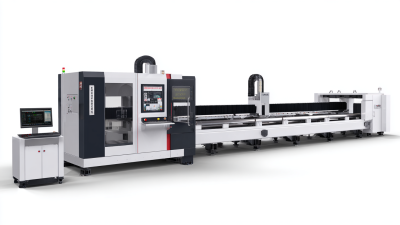
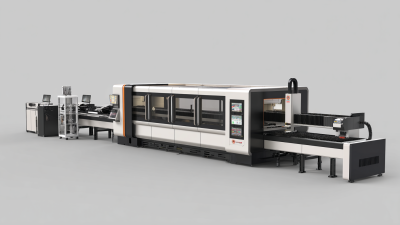
2026 How to Choose the Best Tube Laser Cutting Machine?
In the ever-evolving world of manufacturing, choosing the right Tube Laser Cutting machine is crucial. According to a recent report by Research and Markets, the global tube laser cutting market is projected to reach $3.6 billion by 2026. This growth highlights the increasing importance of precision and efficiency in production processes. Experts emphasize that the right machine can significantly enhance productivity while reducing waste and costs.
Dr. Emily Carter, a recognized authority in laser technology, noted, "Investing in advanced tube laser cutting systems is a pivotal step for companies aiming to stay competitive." Her insights reinforce the need for manufacturers to carefully evaluate their options. The landscape is crowded with choices, making it essential to consider specific features, such as cutting speed, accuracy, and automation capabilities.
Selecting a machine involves assessing various performance metrics and functionality. Potential buyers should also reflect on their production needs. Unique operational requirements can lead to differing outcomes, making a one-size-fits-all approach impractical. Delving deeper into the options available ensures that the chosen system aligns with specific goals and aspirations in the Tube Laser Cutting sector.
Understanding the Basics of Tube Laser Cutting Machines
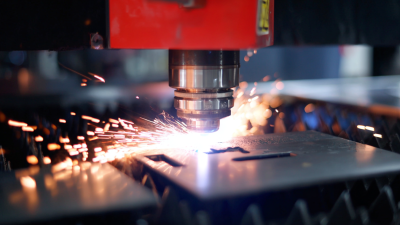
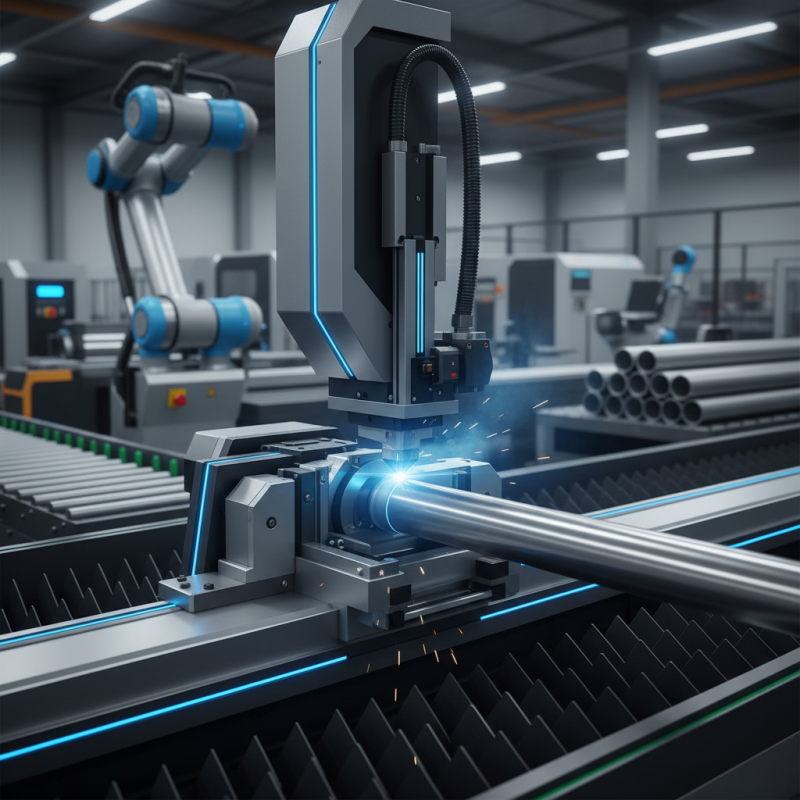
Tube laser cutting machines are essential tools in modern manufacturing. They offer precise cuts for various materials, including steel and aluminum. According to a report from MarketsandMarkets, the global tube laser cutting market is projected to reach $3.21 billion by 2026. This growth highlights the importance of understanding the technology’s functionalities and capabilities.
These machines utilize high-powered lasers to achieve clean cuts, which can significantly reduce waste. A study from Grand View Research points out that these systems can increase production efficiency by up to 30% compared to traditional methods. However, the initial investment can be substantial, making it crucial to evaluate your specific needs before purchasing. Consider factors such as material type, thickness, and production volume, as these will affect machine performance.
Additionally, it is essential to weigh the pros and cons of different systems. Not all machines are created equal. Some may offer advanced features like faster cutting speeds, while others excel in versatility. As the technology develops, keeping abreast of new trends and advancements will serve manufacturers well. Making informed choices today leads to operational success tomorrow.
Key Factors to Consider When Choosing a Tube Laser Cutting Machine
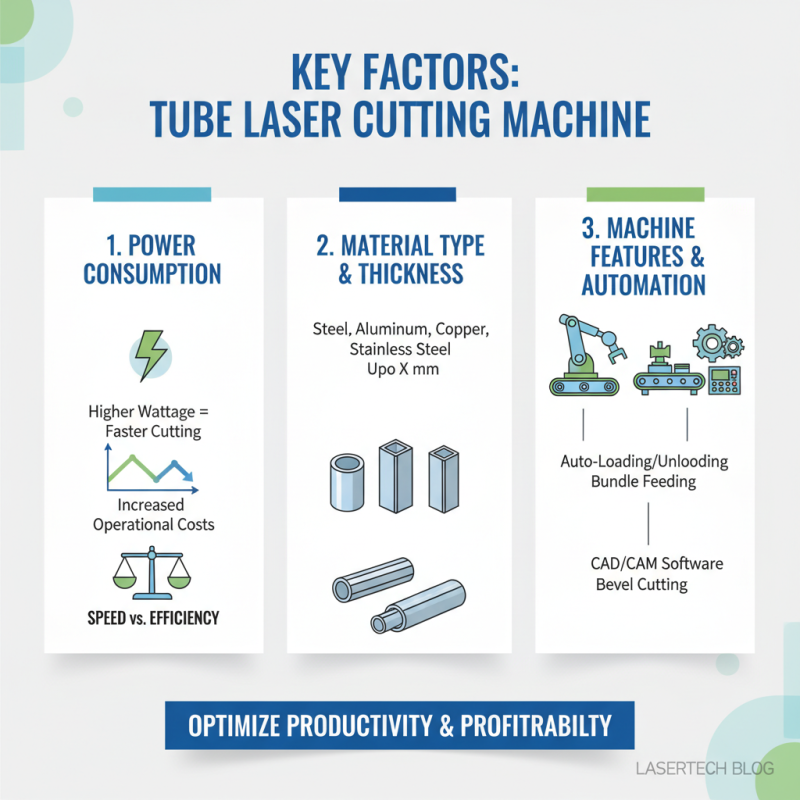
Choosing the right tube laser cutting machine involves several key factors that can significantly impact productivity and cost efficiency. Understanding power consumption is crucial. Reports indicate that machines with higher wattage offer faster cutting speeds but often result in increased operational costs. A balance must be struck between cutting speed and energy efficiency to ensure profitability.
Material compatibility also plays a vital role. Different machines are designed to handle various materials, such as steel, aluminum, or stainless steel. Select a laser cutting system that can accommodate the materials specific to your projects. Research shows that versatile machines tend to be more beneficial in a dynamic manufacturing environment. However, one must assess the trade-off between machine adaptability and specialization.
Another aspect to consider is the software used for programming and design. User-friendly software can significantly reduce setup times. Studies reveal that efficient machine programming can cut lead times by up to 30%. Evaluate the ease of integration with existing systems. While advanced features are appealing, they can also complicate controls. Organizations should test usability thoroughly before making a commitment, as initial learning curves can affect productivity.
Comparing Different Types of Tube Laser Cutting Technologies
When selecting a tube laser cutting machine, understanding the different technologies is crucial. Laser types vary significantly in efficiency and application. CO2 lasers, for instance, excel in cutting non-metal materials but often struggle with reflective metals. This limitation can impact production time and costs.
Fiber lasers are now becoming the industry standard for cutting metals. According to a report by MarketsandMarkets, the fiber laser market is projected to grow from $1.3 billion in 2021 to $3.2 billion by 2026. This growth underscores their rising popularity, primarily due to their speed and precision. However, fiber lasers may require more expensive initial investments, raising questions about their long-term viability for smaller operations.
Another technology, disk lasers, offers impressive power and efficiency. They can achieve high-speed cuts similar to fiber lasers but with different operational costs and complexities. Each option presents distinct advantages and trade-offs. Companies must weigh their production needs against budget constraints and technology effectiveness. Reflections on these aspects reveal that making the right choice is not just about technology but also understanding your unique processing requirements.
Comparison of Tube Laser Cutting Machine Technologies
Evaluating Machine Specifications and Performance Metrics
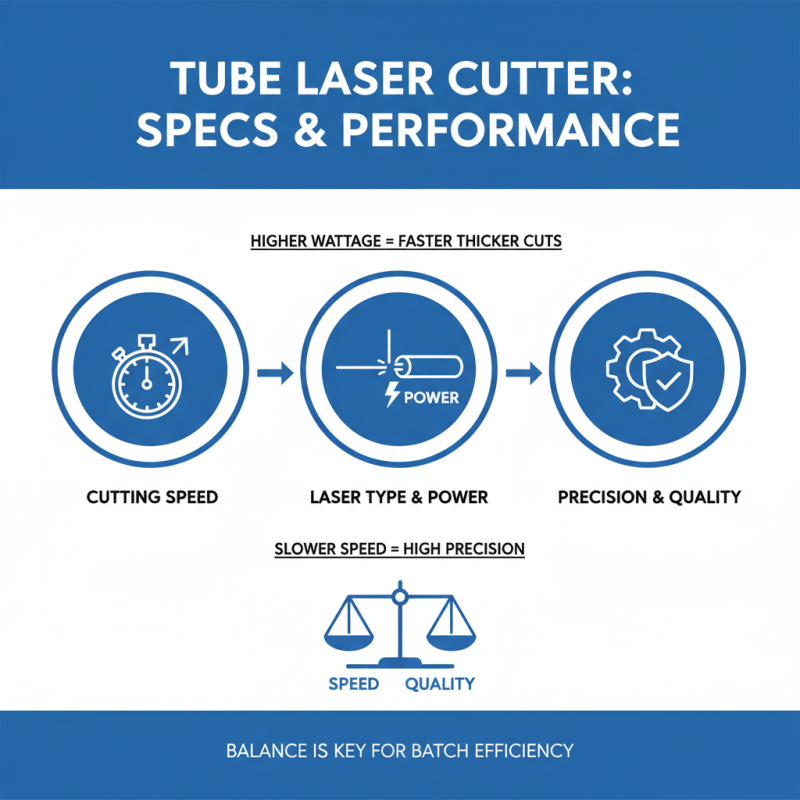
When selecting a tube laser cutting machine, machine specifications are crucial. Key metrics include cutting speed, laser type, and power output. A machine with higher wattage often cuts thicker materials faster. Slower machines may still deliver high precision but could be less efficient for large batches. Evaluating these specs is essential to balancing speed and quality.
Performance metrics also play a vital role in your decision. Look for accuracy in cut dimensions, which can greatly affect your project outcomes. Consider the machine's capability to handle various materials. This flexibility increases the machine's usefulness. Additionally, check for user-friendly interfaces, as they can streamline your workflow significantly.
It’s important to reflect on your specific needs. Not every machine will meet every requirement. Investing in a machine that outperforms your expectations can sometimes lead to overspending. Assessing your production scale and material variety can help avoid this pitfall. Understanding these specifications ensures a more informed choice tailored to your operations.
Assessing Budget and Cost-Effectiveness of Tube Laser Cutters
When considering a tube laser cutting machine, budget and cost-effectiveness are crucial. A well-calculated investment can enhance your production efficiency. However, it's important to reflect on your priority needs. A cheaper model may save initial costs but could lead to higher maintenance later. Assess the total cost of ownership before making a decision.
Tips: Start by evaluating the materials you typically work with. If you require precision on thicker materials, investing in a high-quality machine makes sense. Remember to factor in operational costs as well. These costs can include energy consumption and maintenance. Sometimes, a higher upfront cost can lead to savings in the long term.
Evaluate different machines and their features carefully. Identify which options align with your production scale. Understand that flexibility in operation can impact overall efficiency. Research machine capabilities and read user reviews for insights. Balancing your budget with the desired features requires thoughtful consideration and thorough research. Adapt your plans as necessary.
2026 How to Choose the Best Tube Laser Cutting Machine? - Assessing Budget and Cost-Effectiveness of Tube Laser Cutters
| Feature |
Low-End Models |
Mid-Range Models |
High-End Models |
| Price Range |
$20,000 - $50,000 |
$50,001 - $100,000 |
$100,001+ |
| Laser Power |
500W - 1000W |
1001W - 3000W |
3001W and above |
| Material Thickness |
Up to 5mm |
5mm - 15mm |
15mm and above |
| Accuracy |
± 0.5 mm |
± 0.1 mm |
± 0.01 mm |
| Maintenance Cost |
$500/year |
$1,000/year |
$2,000/year |
| Speed |
5 m/min |
10 m/min |
20 m/min |