Top 10 Benefits of Tube Laser Cutting for Global Buyers?
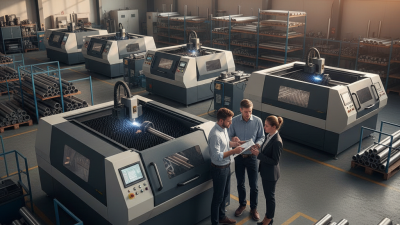
In the ever-evolving world of manufacturing, Tube Laser Cutting has emerged as a game changer. Experts like Dr. Emily Carter, a leading authority in industrial laser technology, assert, "Tube Laser Cutting transforms the capabilities of manufacturers." This innovative method allows for precise cutting, reducing material waste and enhancing productivity.
Businesses across the globe have begun to recognize the advantages of Tube Laser Cutting. For instance, it can handle various materials including metals and plastics. As companies seek to streamline operations, the efficiency of this technology becomes increasingly vital. However, navigating the complexities of implementation can pose challenges. Not all manufacturers are equipped to integrate such advanced machines into their workflow.
Despite these hurdles, the potential benefits are too significant to overlook. Tube Laser Cutting provides unparalleled accuracy, which can lead to superior product quality. As industries push for innovation, understanding these advantages is crucial. The journey to fully embrace this technology may require reflection and adaptation, but the rewards are plentiful for those willing to invest.
Advantages of Precision and Accuracy in Tube Laser Cutting Processes
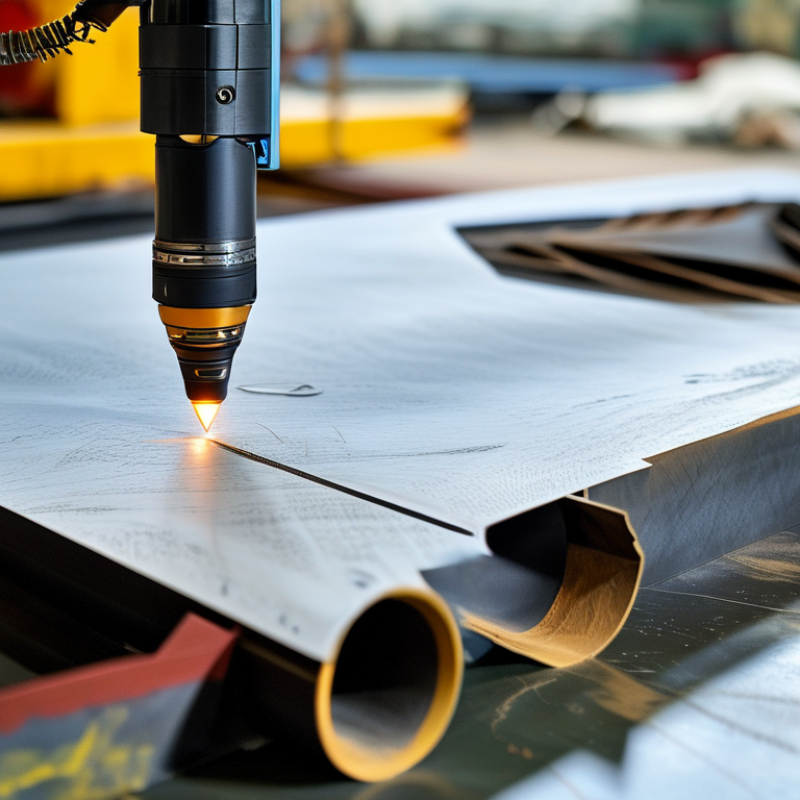
Precision and accuracy are paramount in the tube laser cutting process. Laser cutting technology employs highly focused beams to slice through various materials. This results in clean edges and minimal material waste. For global buyers, this precision means less rework and scrap, translating to significant cost savings.
The ability to maintain tight tolerances makes tube laser cutting ideal for intricate designs. Complex shapes can be achieved without compromising the integrity of the material. However, inconsistency can sometimes arise due to operator error or machine calibration issues. It’s crucial to remain vigilant in maintaining equipment and training personnel. Doing so ensures the technology lives up to its promises.
Another benefit of this technology is speed. Laser cutting can complete jobs much faster than traditional methods. However, the speed may also lead to oversight if not monitored. Positioning errors can occur if the speed is set too high. Regular audits and checks can mitigate these potential pitfalls. Reliable outcomes depend on a balance of speed and precision. Understanding these factors is essential for achieving optimal results in tube laser cutting processes.
Reduction of Material Waste Through Efficient Cutting Techniques
Tube laser cutting has gained significance in modern manufacturing due to its efficient techniques. One of the most notable benefits is the reduction of material waste. Traditional cutting methods often leave behind unusable scraps. Laser cutting is precise. This precision minimizes leftover material, leading to more efficient use of resources. Fewer materials wasted means lower costs and reduced environmental impact.
When considering tube laser cutting, keep some tips in mind. Assess the type of materials you plan to cut. Certain materials perform better with laser technology. Aluminum, stainless steel, and carbon steel all yield excellent results. Also, focus on the thickness of the materials. Thicker materials may require different laser settings. Understanding these details helps you optimize the cutting process.
Additionally, analyze the design before cutting. Complex designs could lead to increased waste if not planned properly. Engage with experts who understand the technology. They can provide insights into optimal cutting patterns. Remember, every design is unique. Continuous improvement and reflection on cutting processes can lead to greater efficiency. By focusing on reducing waste, manufacturers can improve profitability and sustainability.
Top 10 Benefits of Tube Laser Cutting for Global Buyers
| Benefit |
Description |
Impact on Material Waste (%) |
| Precision Cutting |
Laser cutting provides accurate and complex cuts, minimizing leftover material. |
30% |
| Versatility |
Can cut a variety of materials, allowing for optimized usage of stock material. |
20% |
| Speed |
Faster cutting speeds reduce the overall time of production, leading to efficient material use. |
25% |
| Automation |
Integration with automated systems reduces human error and waste. |
15% |
| Reduced Secondary Processing |
Less need for finishing work due to clean cuts, saving further material. |
10% |
| Lower Inventory Costs |
More efficient use of materials allows for lower stock requirements. |
18% |
| Enhanced Design Freedom |
Complex designs can be achieved that maximize material use. |
5% |
| Less Hazardous Waste |
Clean cuts lead to less hazardous waste compared to traditional cutting methods. |
12% |
| Cost-Effectiveness |
Reduced waste means lower overall material costs. |
22% |
| Sustainability |
Lesser material waste contributes to more sustainable business practices. |
27% |
Enhancements in Production Speed Compared to Traditional Methods
Tube laser cutting technology has revolutionized manufacturing processes globally. Production speed has dramatically increased compared to traditional cutting methods. This is mainly due to advanced laser systems, which operate at high precision. With tube laser cutting, manufacturers can achieve intricate designs quickly. This efficiency allows for faster project completions and reduced lead times.
Moreover, this method minimizes material wastage. Traditional cutting often results in excess scrap. In contrast, laser cutting accurately utilizes material, saving costs. This efficiency is crucial for competitive businesses. However, transitioning to this technology is not always seamless. Workers may require specific training. Companies should invest in upskilling their workforce. Understanding the technology is essential for maximizing benefits.
Despite these challenges, many companies find the enhancements worthwhile. The speed and precision cater to complex demands. The technology also offers flexibility for various materials. Businesses can switch from metals to plastics easily. Embracing tube laser cutting might require an adjustment period, but the long-term gains are notable. Enhanced production capabilities push industries forward, enabling growth and innovation.
Versatility of Applications Across Various Industries Utilizing Tube Laser Cutting
Tube laser cutting has become essential across various sectors due to its adaptability and precision. Industries such as automotive, aerospace, and construction increasingly rely on this technology. According to a report from MarketsandMarkets, the global tube laser cutting market is expected to reach USD 2.5 billion by 2026, showcasing a compound annual growth rate (CAGR) of 8.5%. This growth indicates a rising demand for versatile manufacturing solutions.
The versatility of tube laser cutting allows for various applications. It can efficiently process materials like steel, aluminum, and copper in different shapes and sizes. For instance, the automotive industry uses tube laser cutting for complex framework components. While this process enhances speed and accuracy, it can also pose challenges. Factors like material thickness and tube shape can complicate cutting paths. Reflection and refraction issues may arise during the cutting process, leading to less-than-perfect results.
Moreover, tube laser cutting technology incorporates advanced software to streamline operations. Using computer numerical control (CNC), manufacturers can achieve high levels of precision. However, the complexity of programming CNC systems may require skilled operators. A gap in operator training can lead to inefficiencies, reflecting a need for continuous improvement. Understanding these nuances is crucial for companies seeking to leverage tube laser cutting to its fullest potential.
Top 10 Benefits of Tube Laser Cutting for Global Buyers
Cost Savings for Global Buyers through Automated Laser Technologies
Tube laser cutting offers significant cost savings for global buyers. Automated laser technologies streamline production processes, enhancing efficiency. This results in lower operational costs and reduced waste. By adopting these methods, businesses can allocate resources more effectively.
Tips: Consider your material choices carefully. Some materials are more cost-effective when cut with lasers. Test different thicknesses to find optimal savings.
Moreover, integrating tube laser cutting can lead to quicker turnaround times. This improves client satisfaction and boosts repeat business. However, initial investments in equipment can be high. It’s essential to evaluate your long-term return on investment.
Tips: Research financing options. Grants or leasing might ease upfront costs. Plan your production schedule to maximize machine usage.
As with any technology, be aware of the learning curve. Training staff is critical for successful implementation. Look to industry experts for guidance and insights. This expertise can help you avoid common pitfalls in the transition.