Top 5 Best Laser Cnc Machines for Precision Cutting?
The advent of Laser CNC Machines has revolutionized the manufacturing sector. According to a report by MarketsandMarkets, the global laser cutting market is projected to reach $5.3 billion by 2026, growing significantly due to rising demand for precision. Experts like Dr. Emily Chen, a leading figure in laser technology, states, "Laser CNC Machines are reshaping production efficiency."
These machines provide unparalleled precision and speed in various applications, from metal fabrication to intricate designs in wood and plastics. Users often appreciate the clean edges and minimal material waste associated with laser cutting. However, many still struggle to choose the right model for their needs. The variety of features and specifications can be overwhelming for newcomers.
Despite their advantages, not all Laser CNC Machines are created equal. Some may face issues with reliability or software compatibility. Investing in a machine requires thorough research and understanding of specific requirements. Ultimately, choosing the right Laser CNC Machine is crucial for enhancing productivity and achieving desired results.
Overview of Laser CNC Machines: Functionality and Applications
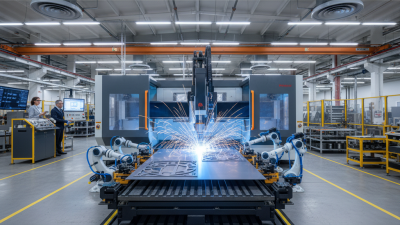
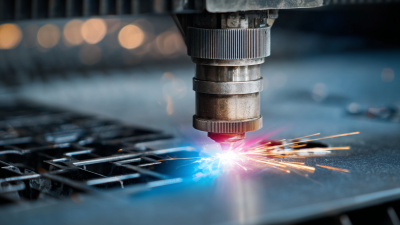
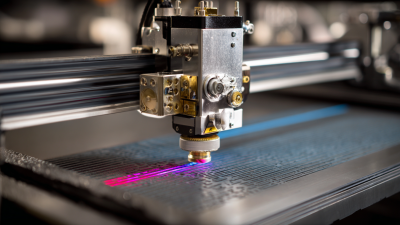
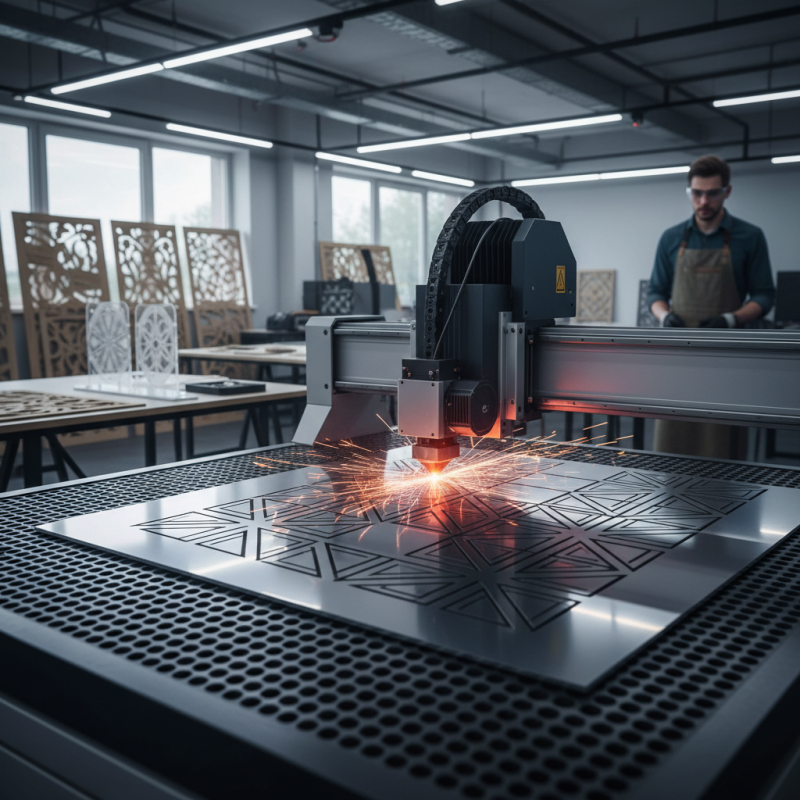
Laser CNC machines are powerful tools for precision cutting. They use focused laser beams to slice through various materials. This technology has transformed industries like manufacturing, sign-making, and art. The ability to cut intricate designs with high accuracy sets these machines apart.
Applications of laser CNC machines are extensive. They can cut wood, acrylic, metal, and even fabric. In crafting, artists utilize these machines to create detailed artwork. In manufacturing, they improve efficiency and reduce waste. However, not every design translates well to this technology. Some complex patterns may cause issues during the cutting process.
Understanding the limitations is crucial. Material thickness affects cutting speed and quality. Also, specific settings must be adjusted for different materials. Some users struggle with fine-tuning these parameters, resulting in less-than-perfect cuts. With practice, many can achieve better results. It’s a balance of precision, patience, and understanding the machine’s capabilities.
Top 5 Best Laser CNC Machines for Precision Cutting
Factors to Consider When Choosing a Laser CNC Machine
When selecting a laser CNC machine, several key factors come into play. First, consider the laser type. CO2 lasers are great for cutting non-metal materials, such as wood and acrylic. Fibers perform better with metals. According to a recent industry report, about 65% of buyers prefer fiber lasers for their efficiency. However, these machines can have a higher initial cost, which might not suit every budget.
Next up is the machine's power. A higher wattage allows for faster cutting and better precision. For example, machines with 100 watts can cut through thicker materials quicker than those with 50 watts. Efficiency often matters, even for small projects. Even so, focusing solely on power can lead to overlooking crucial features like software compatibility and ease of use. Nearly 30% of users express frustration with complex interfaces, which can hinder workflow.
Finally, think about the workspace area. Many small businesses have limited space. A compact machine could be a better choice for them. It’s a balance between size and capability. Reflecting on customer feedback shows that product reliability often outweighs the need for advanced features. The versatility of the machine should match your project's needs. Careful consideration is essential; it can save time and reduce operational costs in the long run.
Top Features of High-Precision Laser CNC Machines
When considering laser CNC machines, several key features stand out.
Precision cutting is paramount. High-precision machines deliver accurate cuts, reducing waste and improving efficiency. They utilize advanced optics to focus the laser beam tightly. This results in cleaner edges and finer details.
Another important feature is the software compatibility. User-friendly interfaces enhance the operator's experience. This allows for quicker adjustments and higher productivity. Some machines offer built-in design software. This is a plus for users looking to streamline their workflow.
Tip: Regularly check calibration settings. Even minor shifts can affect precision. Another tip: invest in quality materials. They can significantly influence cut quality. Remember that the machine's performance can vary based on material type and thickness. Testing different settings can lead to better results.
Tip: Keep the lens clean. A dirty lens can cause uneven cuts. Maintenance is essential for optimal performance. Small details matter in the world of precision cutting. Stay alert to the machine's needs to ensure consistent results.
Comparison of the Top 5 Laser CNC Machines for Precision Cutting
Laser CNC machines have transformed precision cutting in various industries. According to recent data, the laser cutting market is expected to reach $5.64 billion by 2027, growing at a CAGR of 6.5% from 2020. This growth highlights the increasing demand for precision and efficiency in manufacturing. Industries are relying more on laser technology to achieve intricate designs with minimal waste.
When comparing the top five laser CNC machines, several key factors emerge. Speed, accuracy, and ease of use are paramount. One machine can cut materials up to 200 inches per minute while maintaining precision within 0.001 inches. A significant aspect to consider is maintenance. Some models require frequent calibration, which could disrupt workflow. Others pride themselves on low maintenance, saving time in the long run.
Another notable detail is the variety of materials each machine can handle. Some excel in cutting metals, while others are suited for wood or acrylic. This versatility can impact production levels. However, not all machines deliver the promised results consistently, leading to questions about reliability. Ultimately, businesses must evaluate their specific needs and balance performance against operational costs.
User Reviews and Testimonials on Laser CNC Machines' Performance
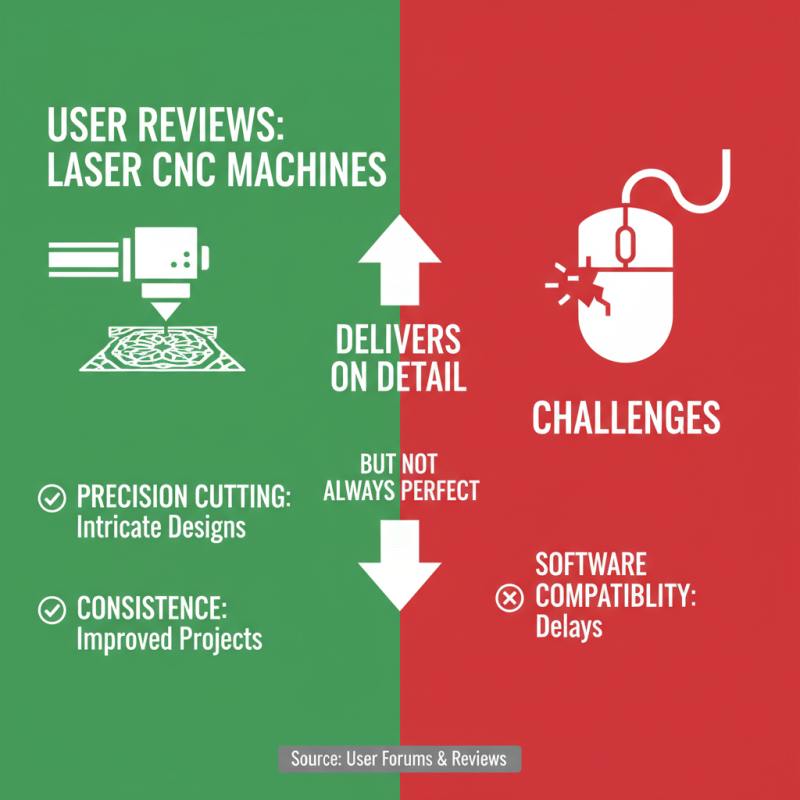
When it comes to laser CNC machines, user reviews often highlight precision cutting as a key feature. Many users praise their ability to make intricate designs. Some users noted how the consistency improved their projects. Details matter in art and manufacturing, and these machines deliver. However, not all experiences are perfect. A few users encountered issues with software compatibility. This caused delays in their work.
Testimonials reveal that machine setup can be tricky. New users sometimes struggle with calibration. One user noted that a little patience is necessary. The learning curve can be steep. Yet, the end results often justify the effort. Users frequently applaud the efficiency of these machines. They enjoy the time saved during production runs.
Performance is another common theme in reviews. Many users agree that cut quality often exceeded expectations. However, some encountered problems with thicker materials. They found that adjustments were needed for optimal results. Despite these hurdles, the feedback remains largely positive. Users appreciate the fine detail achievable with these machines. The combination of speed and accuracy shapes their satisfaction.