Best Laser Machine for Your Business Needs?
In today's competitive market, selecting the best Laser Machine for your business is crucial. Industry expert Dr. Lisa Thompson emphasizes, "The right laser technology can transform your production capabilities." Businesses face numerous challenges, from choosing the correct specifications to understanding their unique needs. Knowing which Laser Machine fits your operations is not always straightforward.
Laser Machines serve various purposes, from cutting to engraving. They vary in power, speed, and precision. A small business may benefit from a compact, versatile model. In contrast, larger enterprises might require heavy-duty machines tailored for high-volume production. However, the decision-making process can seem overwhelming.
Moreover, the wrong choice can lead to inefficient workflows and wasted resources. It’s important to assess current and future needs. Each purchase is an investment in productivity. Perhaps you’ve had past experiences that didn’t meet expectations? Reflecting on those can guide your current decision. Ultimately, ensuring you choose wisely will pave the way for growth and innovation.
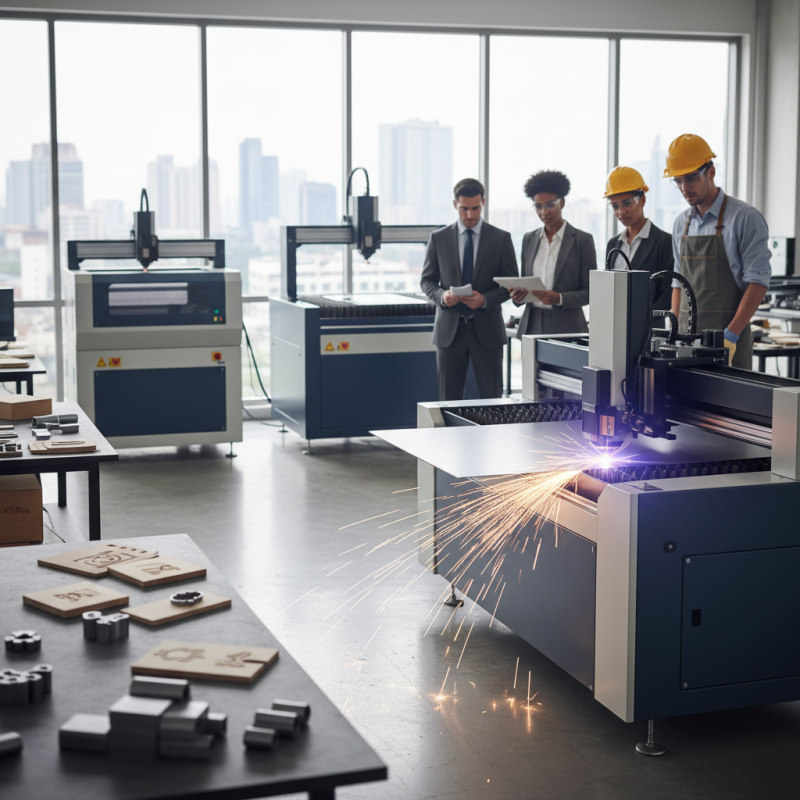
Understanding Different Types of Laser Machines and Their Applications
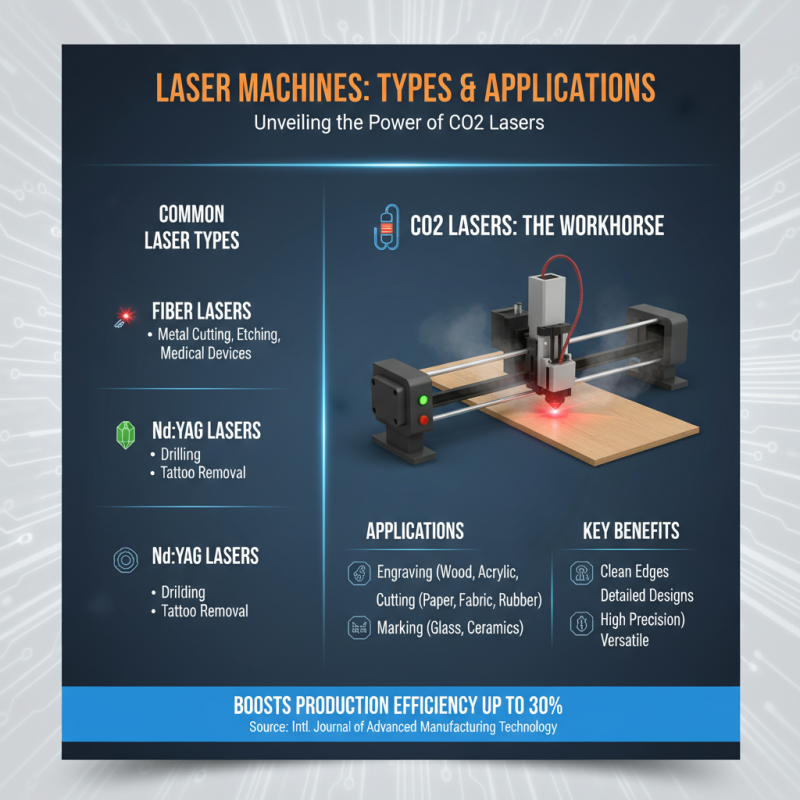
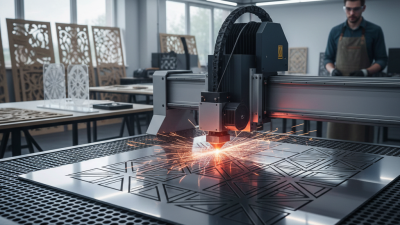
Laser machines come in various types, each suited for specific applications. CO2 lasers are popular for engraving and cutting non-metal materials like wood, plastics, and leather. They provide clean edges and detailed designs. According to a report by the International Journal of Advanced Manufacturing Technology, CO2 laser systems can enhance production efficiency by up to 30% in the right settings.
Fiber lasers, on the other hand, excel in metal applications, boasting high precision and faster processing rates. Studies show that fiber lasers can cut through stainless steel more effectively, reducing waste during production. However, they may not be a one-size-fits-all solution. Smaller businesses might find the initial investment challenging, which raises questions on return on investment versus operational needs.
Understanding these distinctions is crucial. No single laser type fits every business model. Each has its strengths and weaknesses. For organizations seeking versatility, a multi-functional laser system might be beneficial, but it also means managing complexity. As the industry evolves, reviewing operational goals is essential for making informed decisions.
Key Factors to Consider When Choosing a Laser Machine for Your Business
Choosing the right laser machine for your business requires careful consideration. Start by assessing your specific needs. What materials will you work with? Common choices include wood, acrylic, and metal. Each material requires different cutting power and compatibility. Understanding your primary applications helps narrow down options effectively.
Next, consider the size and power of the machine. Larger machines can accommodate bigger projects. However, they often require more space and investment. Think about your workspace and budget limitations. It’s essential to strike a balance between capability and practicality.
Do not overlook maintenance and support. Reliable suppliers provide resources for troubleshooting and upkeep. A machine can underperform if not properly maintained. Investing time in learning its operation is crucial. Regular maintenance ensures longevity and efficiency in production. Reflect on these factors to make an informed decision.
Comparing Cost and Maintenance of Popular Laser Machines on the Market
When selecting a laser machine for your business, cost and maintenance are critical factors. Prices of laser machines can vary widely. Basic models may start at a lower cost, while advanced machines come with hefty price tags. Assessing your budget upfront is essential. Remember to include installation fees, which can add to overall expenses.
Maintenance is another key area to consider. Regular upkeep ensures the longevity of your machine. Some models require more frequent servicing than others. A well-maintained machine runs efficiently and produces high-quality results. Neglecting maintenance can lead to costly repairs down the line.
Consider training. Some businesses may need specialized training for staff to operate advanced machines. The time spent on training impacts productivity. Reflecting on your specific needs is crucial. It helps in making a wise investment that aligns with your operational capabilities. Planning for unforeseen repairs also plays a vital role in budgeting. Balancing cost and maintenance effectively can streamline your operations in the long run.
Best Laser Machine for Your Business Needs? - Comparing Cost and Maintenance of Popular Laser Machines on the Market
| Laser Machine Type |
Initial Cost ($) |
Annual Maintenance Cost ($) |
Power Consumption (kW) |
Lifespan (Years) |
| CO2 Laser Cutter |
5,000 |
500 |
2.5 |
10 |
| Fiber Laser Cutter |
10,000 |
800 |
3.5 |
15 |
| YAG Laser Machine |
7,500 |
600 |
2.0 |
12 |
| Diode Laser |
3,500 |
300 |
1.5 |
8 |
Evaluating the Safety Features of Laser Machines for Workplace Use
When selecting a laser machine for your business, safety features are paramount. According to a recent industry report, 40% of workplace accidents in manufacturing involve unsafe machinery. Focusing on safety can help prevent injuries and improve productivity. Laser machines should include safety interlocks, proper ventilation, and adequate training for operators.
Infrared laser radiation poses risks. Protective eyewear is essential for all operators. Studies show that laser-related eye injuries can result in permanent damage. Furthermore, a lack of proper ventilation can lead to smoke inhalation, increasing the risk of respiratory problems. It is crucial to assess whether the machine has efficient extraction systems.
In addition, only certified technicians should maintain these machines. User manuals must be clear and accessible. In some cases, safety features may be overlooked or poorly implemented. Regular audits and employee feedback can identify gaps. Ensuring a safe working environment is not optional; it is a business necessity.
Evaluating Safety Features of Laser Machines for Workplace Use
Assessing the Support and Warranty Options for Laser Machinery Purchases
When investing in laser machinery, understanding support and warranty options is crucial. According to a 2022 industry report, 70% of businesses consider adequate support as a top priority when selecting machinery. Companies often overlook the importance of post-purchase assistance. Robust support can ensure machinery operates at peak efficiency, thereby enhancing productivity.
Warranties vary significantly across products. A comprehensive warranty might cover parts and labor for several years. However, it’s important to read the fine print. Many warranties have limitations or exclusions that could leave a business vulnerable. A 2023 survey showed that 40% of businesses experienced unexpected costs due to inadequate warranty terms.
Consider also the availability of customer support. Not all manufacturers provide 24/7 assistance. Some may only offer business hours support. A delay in resolving technical issues can lead to costly downtime. Look for companies that have established service networks. They should be able to provide local technicians familiar with your equipment. This ensures that help is readily available, minimizing operational disruptions.