China Top Cnc Laser Cutting Machine for Global Buyers?
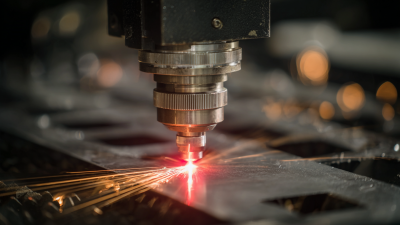
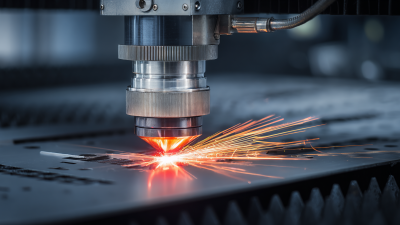
In recent years, China has emerged as a leading manufacturer of CNC laser cutting machines. This technology has gained significant traction worldwide, driving efficiency in various industries. The CNC laser cutting machine is known for its precision and versatility. It operates using advanced laser technology, enabling intricate designs and cuts in a range of materials.
Despite its popularity, buyers often face challenges when selecting the right machine. With numerous options available, understanding the unique features of each machine is crucial. Factors such as cutting speed, material compatibility, and operational ease must be considered. Additionally, while Chinese models often offer competitive pricing, quality and after-sales support remain essential aspects to reflect on.
As global demand increases, manufacturers refine their offerings. Potential buyers should weigh their needs against what’s on the market. Making an informed decision can lead to long-term benefits in production efficiency and cost savings. Emphasizing reliability and skillful craftsmanship will support buyers in navigating their choices effectively.
China's CNC Laser Cutting Machine Market Overview
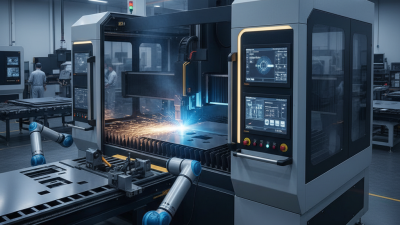
China's CNC laser cutting machine market is rapidly evolving. This growth stems from increasing demand for precision in manufacturing. Industries such as automotive, aerospace, and metal fabrication are leading this trend. Companies seek machines that offer speed and accuracy. The competition drives innovation, with frequent updates and new features emerging.
Many local manufacturers are gaining recognition for their advanced technology. However, quality can be inconsistent. Buyers should be cautious and conduct thorough research. Understanding specifications and service options can prevent future issues. Additionally, after-sales support is vital for maintenance and repairs.
The market is flooded with options, yet not all machines meet international standards. Potential buyers need to look for reliable suppliers. Networking at trade shows can provide valuable insights. It’s essential to balance cost and quality. Ultimately, investing time in sourcing can lead to better choices.
Key Features of China's CNC Laser Cutting Machines
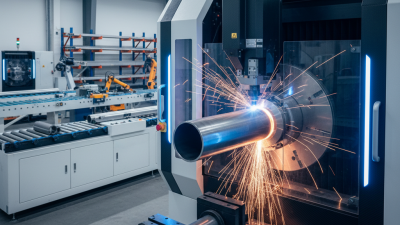
China’s CNC laser cutting machines have gained worldwide recognition for their efficiency and precision. These machines are equipped with advanced technology, allowing for high-speed cutting and detailed designs. Users can expect top-notch performance in various materials, including metal, wood, and plastics. This versatility makes them ideal for diverse industries.
Key features include intelligent control systems, which enhance accuracy. Most machines can handle complex geometries with ease. Efficiency is maximized through faster cutting speeds and lower energy consumption. High-quality cutting edges reduce the need for additional processing. Users also benefit from user-friendly interfaces that simplify operations.
Tips for selecting a CNC laser cutting machine: Consider your specific cutting needs. Analyze the materials you will work with regularly. Research and compare different specifications. Ensure the machine has good customer support. Understand the maintenance requirements, as this impacts long-term efficiency. Invest time in learning to maximize the machine's potential. Recognizing your unique requirements can prevent costly mistakes.
Key Features of China's CNC Laser Cutting Machines
Comparative Analysis of Chinese CNC Laser Cutters with Global Brands
CNC laser cutting machines from China are gaining traction among global buyers. They offer competitive pricing and robust features. However, this doesn’t always guarantee quality. Many customers report inconsistencies in performance, which can impact production.
When comparing Chinese CNC laser cutters and global brands, certain factors come into play. The build quality varies significantly. Some models may lack precision and durability, raising questions about their long-term performance. Observations suggest that while Chinese machines are cost-effective, users should examine specific capabilities before committing to a purchase.
Support and service are other critical elements. Buyers often seek reliability in maintenance and repairs. Some Chinese manufacturers excel in this area, while others fall short. Reviews indicate that after-sales support can be a mixed bag. Prospective buyers should conduct thorough research to ensure they choose a machine that meets their needs effectively.
China Top Cnc Laser Cutting Machine for Global Buyers
| Model |
Laser Power (W) |
Cutting Speed (m/min) |
Bed Size (mm) |
Material Compatibility |
Price Range (USD) |
| Model A |
1500 |
30 |
1300 x 2500 |
Metal, Wood |
$5,000 - $7,000 |
| Model B |
3000 |
35 |
1500 x 3000 |
Metal, Acrylic |
$8,000 - $10,000 |
| Model C |
1000 |
25 |
1200 x 2400 |
Wood, Leather |
$4,000 - $6,000 |
| Model D |
2500 |
32 |
1400 x 2800 |
Metal, Plastic |
$6,500 - $8,500 |
Applications of CNC Laser Cutting Machines in Various Industries
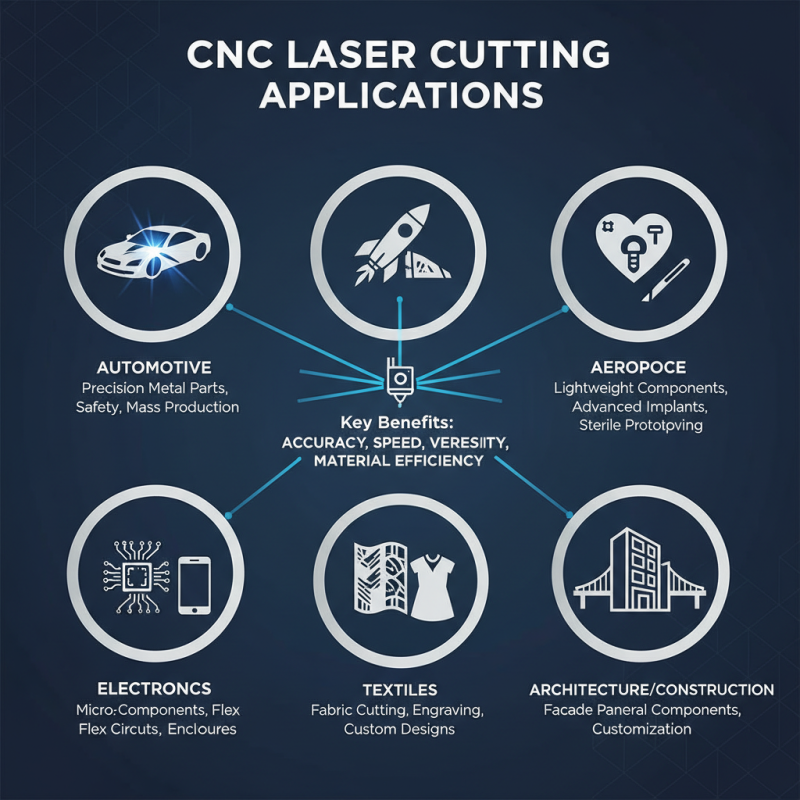
CNC laser cutting machines have a wide array of applications across various industries. In the automotive sector, for instance, these machines create precise cuts in metal parts. This precision ensures the components fit perfectly, enhancing safety and performance. Laser cutting's speed allows for efficient mass production, which is crucial in meeting high demand.
The electronics industry also benefits from CNC laser cutting. Circuit boards require intricate designs that standard cutting methods can't achieve. Laser cutters provide the accuracy needed for tiny, complex shapes. This innovation supports the rapid evolution of technology, pushing design boundaries further.
However, challenges exist. Not every material responds well to laser cutting. Some composite materials can be difficult to manage, leading to inconsistent results. Understanding material properties is essential for optimizing the cutting process. Users must continuously evaluate their setups and technologies to improve accuracy and efficiency. Such reflections can drive innovation in application practices, ultimately benefiting the entire sector.
Buying Guide for Global Buyers: Selecting the Right Chinese CNC Laser Cutter
When considering a CNC laser cutting machine from China, it’s crucial to understand the key factors that influence your purchase decision. The global market for CNC laser cutting machines has been growing, with an estimated compound annual growth rate (CAGR) of nearly 6.7% from 2021 to 2028. This suggests a rising demand across various industries, including automotive, aerospace, and electronics.
Evaluating the technical specifications is essential. Machines vary significantly in power, cutting speed, and material compatibility. For instance, higher wattage lasers allow for thicker materials to be cut efficiently. Yet, many buyers might overlook maintenance requirements, which can impact long-term operational costs. Reports indicate that ineffective maintenance can lead to a 20% decrease in machine life. Additionally, understanding the service support and warranty options offered by manufacturers can prevent unexpected downtimes.
Pricing is another critical aspect. While initial costs might attract buyers, the total cost of ownership should include operational and maintenance expenses. A common mistake is underestimating the impact of consumables on overall costs. Proper knowledge in these areas can lead to better-informed decisions. Remember, every purchase reflects an investment in production capability and quality. It’s worth taking the time to thoroughly research and reflect on your choices.