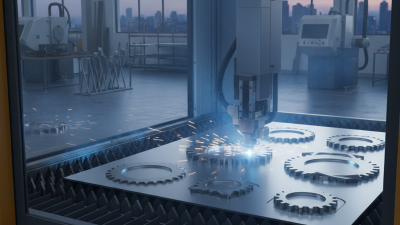
Choosing the best metal laser cutting services can significantly impact your project’s success. As noted by industry expert John Smith, “Precision and reliability are key in metal laser cutting.” With the right service, you ensure that your designs are executed flawlessly.
In the fast-evolving world of metal laser cutting, many options exist. Companies vary in technology, experience, and reliability. It’s critical to assess their past projects and customer feedback. Ask about the materials they work with and their cutting capabilities. A lack of innovation can hinder the quality of your results.
When selecting a provider, consider their certifications and expertise. Those with a robust portfolio demonstrate their reliability. A solid reputation in the metal laser cutting industry reflects their commitment to quality. However, not every company will meet your unique needs. Take time to explore various options before making your choice.
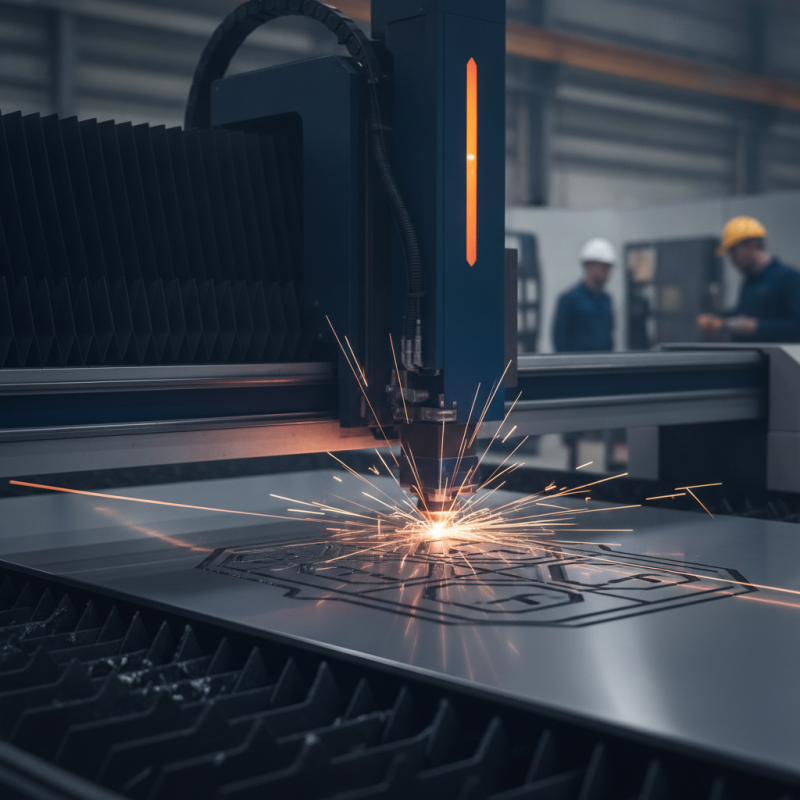
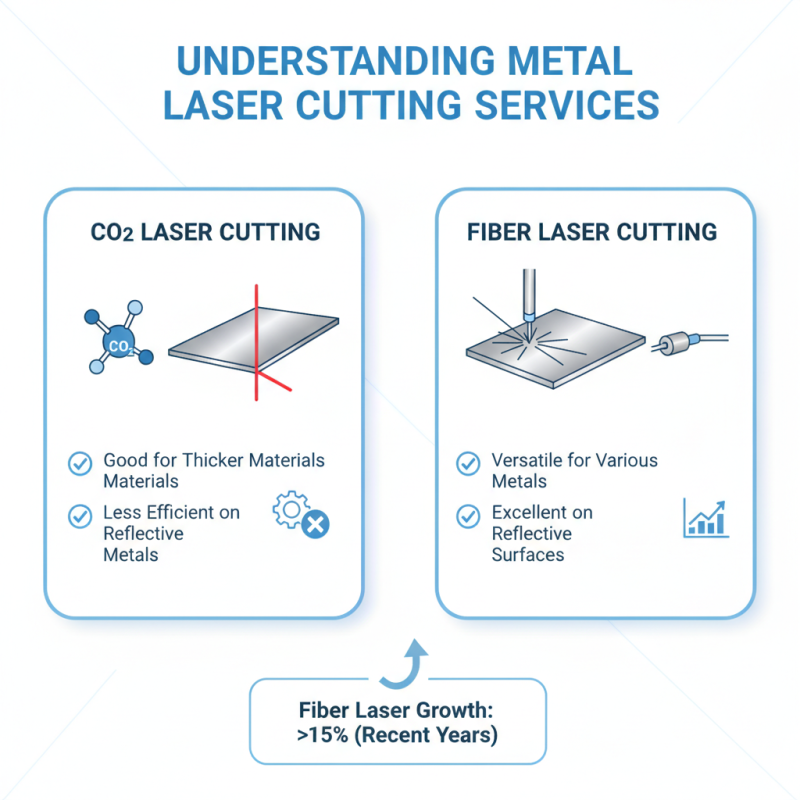
When selecting metal laser cutting services, understanding the various types available is crucial. There are different methods like CO2 laser cutting and fiber laser cutting. CO2 lasers are excellent for thicker materials. However, they are not as efficient with reflective metals. In contrast, fiber lasers work well with a variety of materials, especially on reflective surfaces. According to a recent market analysis, fiber laser cutting has seen a growth rate of over 15% in recent years, indicating its rising popularity and efficiency.
When choosing a service, consider the thickness of the material you need to cut. Fiber lasers excel with thin materials, while CO2 lasers handle thicker cuts better. The precision of the cut is also important. Many industrial applications require tight tolerances, making the choice of cutting technology critical. Additionally, it’s worth noting that some services might benefit from hybrid approaches, combining different cutting technologies for improved results.
Tips: Always request samples of previous work. It’s vital to check the quality of cuts. Quality assurance can save time and costs later on. Look for certifications in their process; these indicate a commitment to quality. Understanding your specific needs will guide you in choosing the right service provider, while also ensuring you avoid potential pitfalls associated with the wrong methods.
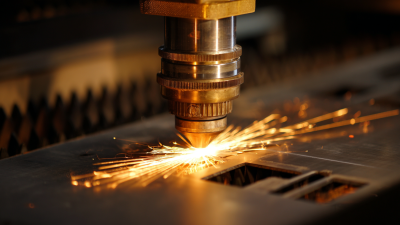
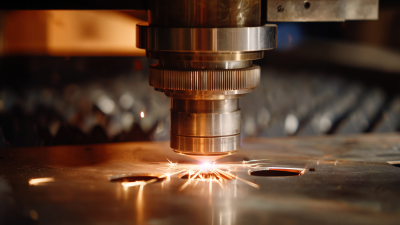
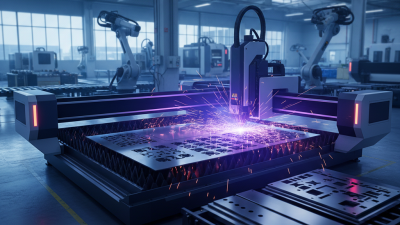
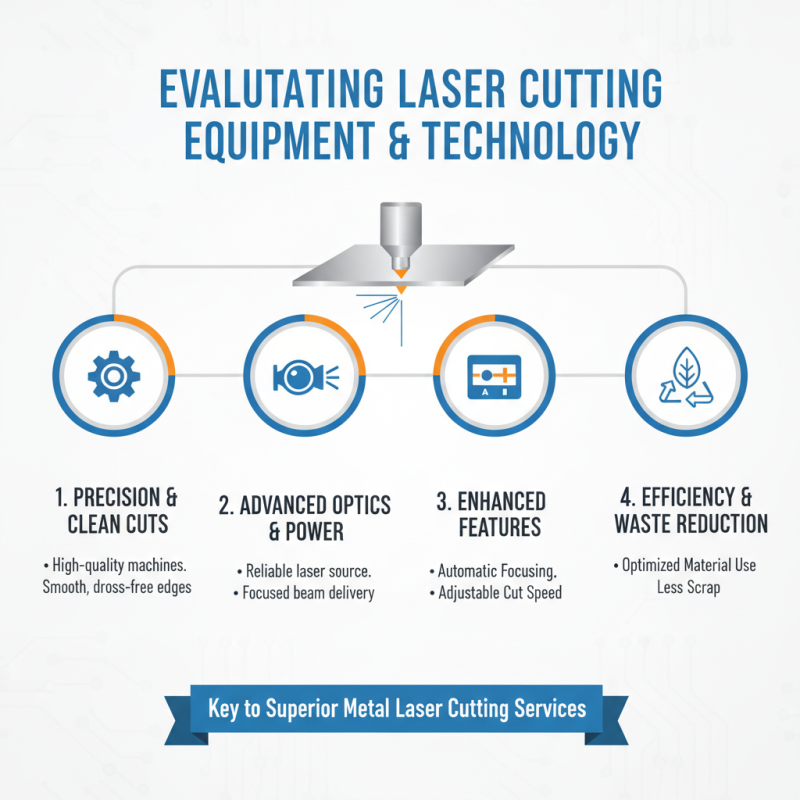
When evaluating metal laser cutting services, the equipment and technology used play a crucial role. High-quality machines deliver precise, clean cuts. They utilize advanced optics and reliable power sources. Look for features like automatic focusing and adjustable cutting speeds, which enhance performance. Such technology can significantly impact material efficiency and reduce waste.
However, not all equipment guarantees excellent results. Older machines may lack the sophistication of newer models. It's essential to examine how often the equipment is maintained. Regular servicing can extend the lifespan of the machines and improve outcome consistency. Beware of providers who neglect maintenance; they may produce subpar results.
It's also vital to consider the provider's expertise. Skilled operators understand how to optimize machine settings for different materials. They can adapt to specific project requirements. Engaging a service with experienced technicians increases reliability. Reflect on past projects and the outcomes they achieved. This insight helps in making informed decisions about selecting a metal laser cutting service.
When selecting metal laser cutting services, expertise and experience are crucial. Start by evaluating the provider's background. Look for years in the industry. A long history often means reliable service. Check if they have a diverse portfolio. This shows their capability with various materials and projects.
Tips: Request examples of previous work. A reputable service provider will proudly showcase their projects. Examine the quality of cuts and design complexity. This can indicate their proficiency in laser cutting technologies.
Experience is also evident in certifications and training. Verify if the technicians have received formal education in laser cutting. This knowledge is vital for precise and safe operations. Don’t hesitate to ask about the latest cutting technologies they use. Staying updated is essential in this fast-evolving field.
Tips: Engage in conversations with previous clients if possible. Their feedback can reveal insights about reliability and service quality. Consider the provider's response to challenges. A seasoned service provider will share lessons learned from difficult projects.
When considering metal laser cutting services, pricing models play a crucial role. There are several pricing structures in the industry. Fixed pricing offers certainty, while variable pricing can lead to unexpected costs. According to industry reports, typical hourly rates for laser cutting can range from $75 to $150. Complex designs often incur higher costs due to increased processing time.
It's essential to analyze quotes carefully. Look for detailed estimates that break down costs by material, labor, and setup. A report by the Fabricators and Manufacturers Association showed that nearly 45% of clients found discrepancies in initial quotes after project completion. This indicates a need for transparency in pricing. Understanding the pricing components helps you avoid surprises.
Comparative analysis can enhance decision-making. Many service providers offer online calculators for estimates. However, the accuracy of these estimates may vary. A survey indicated that 60% of users felt online tools were overly simplistic. Gathering multiple quotes can provide a clearer picture. Always seek clarity on factors like lead time and material pricing volatility. This attention to detail will lead to smarter choices in metal laser cutting services.
When selecting metal laser cutting services, reading customer reviews and case studies can provide valuable insights. Customers often share their experiences, highlighting both the strengths and weaknesses of a service provider. These real-life stories bring transparency to the decision-making process. Look for reviews that detail the quality of work, turnaround time, and communication skills of the provider.
Pay attention to specific examples. For instance, a customer might describe a project where precision was key. Not all reviews will be glowing. Some may reflect frustration about delays or unexpected costs. These comments can be telling. They expose areas where a service may need improvement.
Case studies can further illustrate a service's reliability. They often present a detailed account of how a provider handled a complex project. Look for metrics that demonstrate success, like reduced production times or increased efficiency. However, not all case studies are created equal. Some may lack important details, making it hard to gauge the provider's true capabilities. Evaluate them critically to ensure you make an informed choice.