What is a Laser Cutting Machine and How Does It Work?
In the world of manufacturing, a Laser Cutting Machine stands out for its precision and efficiency. This technology has revolutionized industries ranging from automotive to aerospace. Dr. Emily Chen, a leading expert in laser technology, stated, "Laser cutting is not just a tool; it's an art form that shapes the future of production." Her insights underscore the importance of understanding how these machines operate.
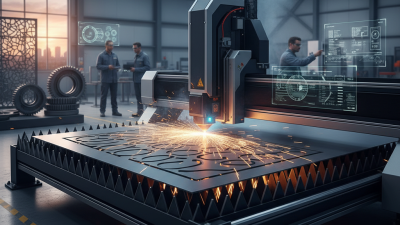
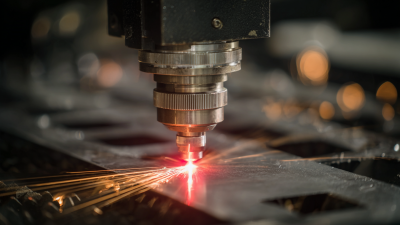
Laser Cutting Machines utilize focused beams of light to cut through materials. The process relies on high-intensity lasers that can slice through metals, plastics, and more with remarkable accuracy. This capability allows for intricate designs and reduces waste, paving the way for sustainable practices. However, even with such advanced technology, operators must remain vigilant. Mistakes can occur if the settings are off or if there are issues with the material.
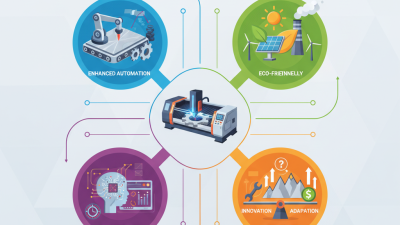
As industries evolve, the demand for Laser Cutting Machines increases. Companies must adapt and invest in training to harness these innovations effectively. The journey of mastering this technology is ongoing, with new methods and applications constantly emerging. Reflecting on these developments reveals the challenges and opportunities that lie ahead in the field of laser cutting.
What is a Laser Cutting Machine?
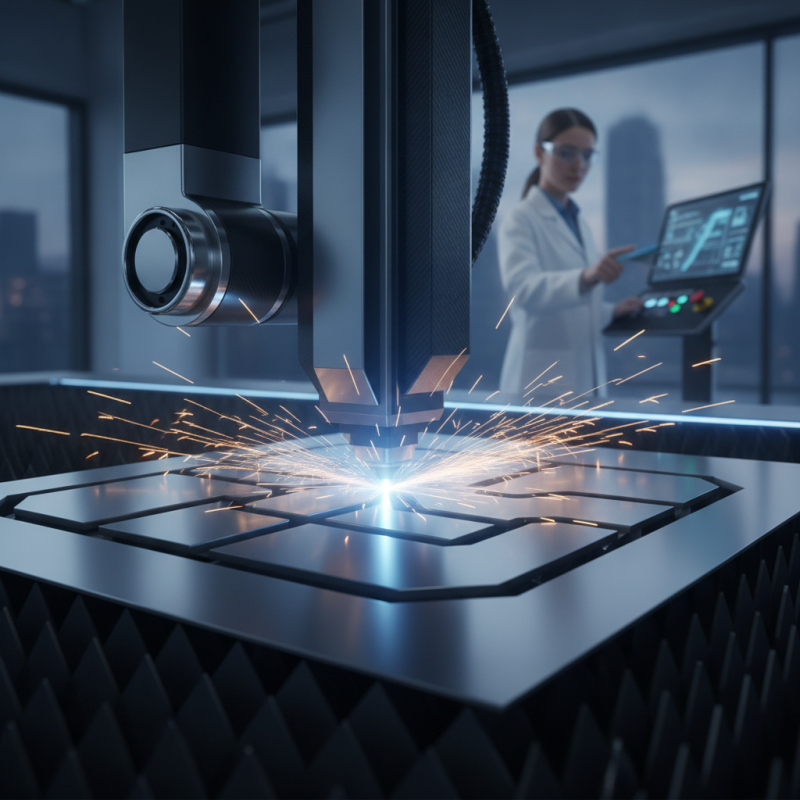
A laser cutting machine is a sophisticated tool that uses focused laser beams to cut through materials. This technology has gained significant traction across various industries, including manufacturing, automotive, and aerospace. According to a report by MarketsandMarkets, the global laser cutting machine market is projected to reach $5.03 billion by 2025, growing at a CAGR of 6.2%. This indicates a robust demand for precision cutting solutions.
Laser cutting works by directing a high-powered laser at the material. The laser heats the material, causing it to melt or vaporize. This process allows for intricate designs and precise cuts. Common materials that benefit from laser cutting include metals, woods, and plastics. Notably, the precision can reduce material waste, a critical factor in today’s environmentally-conscious manufacturing practices.
However, there are challenges to consider. The upfront investment in laser cutting technology can be substantial. Additionally, operational costs, maintenance, and the need for skilled operators can pose hurdles. Failure to address these issues might lead to inefficiencies. As industries evolve, continuous assessment of laser cutting capabilities will be essential to leverage its full potential efficiently.
Laser Cutting Machine Market Overview
Components and Their Functions in Laser Cutting Machines
Laser cutting machines are sophisticated devices used for
precision cutting of various materials. Their effectiveness lies in several key components, each performing a
vital role. The heart of the system is the laser source. This
component generates a highly focused beam of light, which is essential for cutting. Depending on the material,
different types of lasers may be used, such as CO2 lasers
for organic materials or fiber lasers for metals.
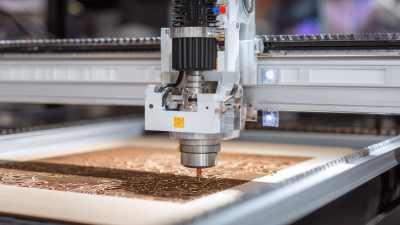
Another critical component is the optics system. This includes mirrors
and lenses that direct and focus the laser beam onto the workpiece. High-quality optics are necessary for achieving clean cuts and intricate designs.
Additionally, the cutting bed supports the material during the process.
Its stability and alignment influence the accuracy of the cuts. A weak or improperly positioned cutting bed can
lead to poor results and wasted materials.
The control system manages the operation of the laser
cutter. It interprets designs and coordinates movements. Even a minor glitch in this system can result in
misaligned cuts. Therefore, regular maintenance and calibration are essential for optimal performance. While
laser cutting machines offer remarkable precision, they
require a skilled operator to achieve the best outcomes. The interaction of these components reflects the
complexity of laser cutting technology and the importance of expertise in its operation.
Principles of Laser Cutting Technology
Laser cutting technology operates on precise principles that set it apart in manufacturing. At its core, laser cutting involves directing a high-powered laser beam onto materials. This beam melts, burns, or vaporizes the materials, creating clean cuts. According to industry reports, laser cutting can achieve accuracy levels up to 0.001 inches, making it a preferred choice for intricate designs.
The efficiency of laser cutting largely stems from its ability to focus energy on a small area. This reduces heat-affected zones, minimizing warping or unwanted changes in material properties. Research indicates that laser cutting speeds range significantly, with some machines achieving up to 1,500 inches per minute. However, the effectiveness of this technology can depend on the thickness and type of material. For instance, while it excels in cutting metals, thick materials may not yield the same precision.
However, challenges remain. Operators need sufficient training to handle the equipment safely. Moreover, while laser cutting is efficient, it can be costly for small-scale operations. A thorough understanding of these factors is crucial for businesses to make informed decisions. The evolution of this technology continues to influence various industries, yet reflections on its limitations are essential for optimizing its application.
What is a Laser Cutting Machine and How Does It Work?
| Feature |
Description |
| Operating Principle |
Laser cutting utilizes a focused laser beam to melt, burn or vaporize material, achieving precise cuts. |
| Types of Lasers |
Common types include CO2 lasers, fiber lasers, and crystal lasers, each suitable for different materials. |
| Material Compatibility |
Laser cutting can be applied to metals, plastics, wood, glass, and textiles, among others. |
| Advantages |
High precision, clean cuts, minimal material waste, and the ability to create complex shapes. |
| Applications |
Used in manufacturing, automotive, aerospace, and signage industries for various cutting and engraving tasks. |
Applications of Laser Cutting in Various Industries
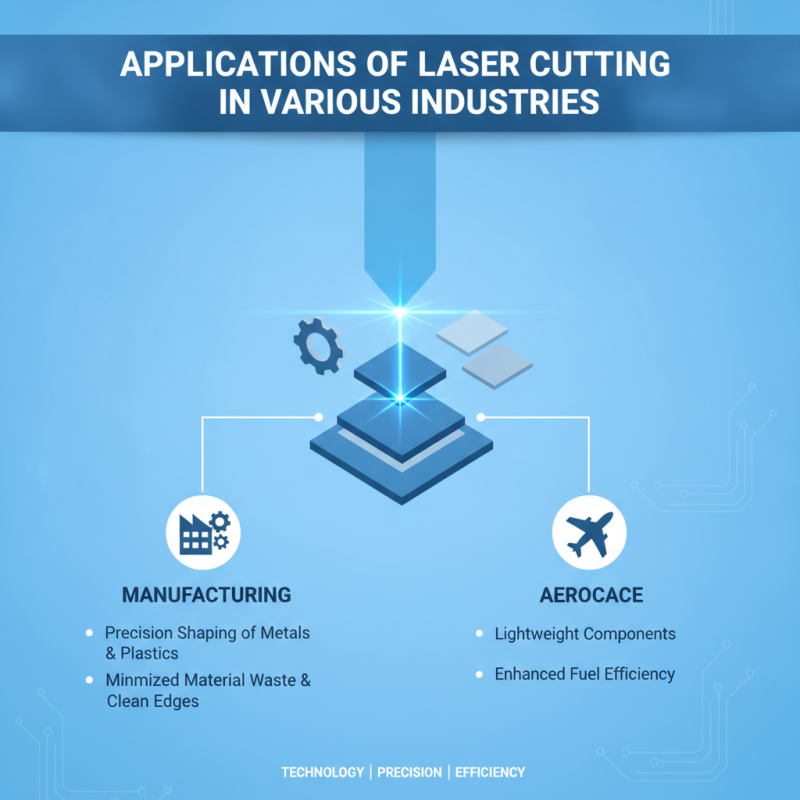
Laser cutting technology has transformed various industries by providing precision and efficiency. In manufacturing, laser cutters are utilized to create intricate shapes in metals and plastics. This process minimizes material waste and ensures clean edges. Aerospace manufacturers rely on laser cutting for lightweight components, enhancing fuel efficiency in aircraft.
In the automotive industry, laser cutting offers quick prototyping and high-volume production. Complex designs that were once challenging are now feasible. However, this precision often requires skilled operators to manage the machines effectively. The risk of human error is present, and ongoing training is essential.
The medical field also benefits significantly from laser technology. Surgical instruments and prosthetic devices are produced with unmatched accuracy. These products enhance patient outcomes. Yet, the high cost of laser cutting machines can be a barrier for smaller firms. Investment in these systems must be carefully evaluated. Despite its challenges, laser cutting remains a cornerstone in modern manufacturing across multiple sectors.
Advantages and Limitations of Laser Cutting Machines
Laser cutting machines offer significant advantages in precision and efficiency. They use focused laser beams to cut various materials like metal, wood, and plastic. This technology ensures clean edges and intricate designs. Additionally, laser cutting minimizes waste, as the laser path can be optimized for each project. Rapid setup reduces production time, making it appealing for both prototypes and large runs.
However, there are limitations to consider. The initial investment for laser cutting equipment can be high, deterring small businesses. Maintenance and operational costs add to the financial commitment. Certain materials, such as reflective metals, pose challenges for laser cutting. Moreover, the process might produce harmful fumes, requiring proper ventilation systems in workspaces. Understanding these factors is crucial for businesses considering laser cutting technology. Balancing the benefits with potential downsides is key for informed decision-making.