Ultimate Tips for Efficient Metal Laser Cutting Process?
The metal laser cutting industry is experiencing rapid growth. According to a report by Markets and Markets, the global market for laser cutting is expected to reach $7.1 billion by 2026, growing at a CAGR of 5.8%. This trend reflects the increasing demand for precision and efficiency in manufacturing processes.
Efficient metal laser cutting demands a blend of advanced technology and proper techniques. Laser cutting is renowned for its accuracy and versatility. However, many challenges persist, such as equipment maintenance and optimizing cutting parameters. Inconsistent results may arise from poor settings, leading to material wastage. Manufacturers must pay attention to these details.
Understanding the intricacies of metal laser cutting can significantly improve results. Knowledge of different materials and their behaviors is crucial. Selecting the right laser type and power can enhance cutting speed and quality. When executed well, metal laser cutting not only improves production efficiency but also reduces costs. Investing in expert training and suitable technology is essential for companies aiming to thrive in this competitive landscape.
Understanding the Basics of Metal Laser Cutting Technology
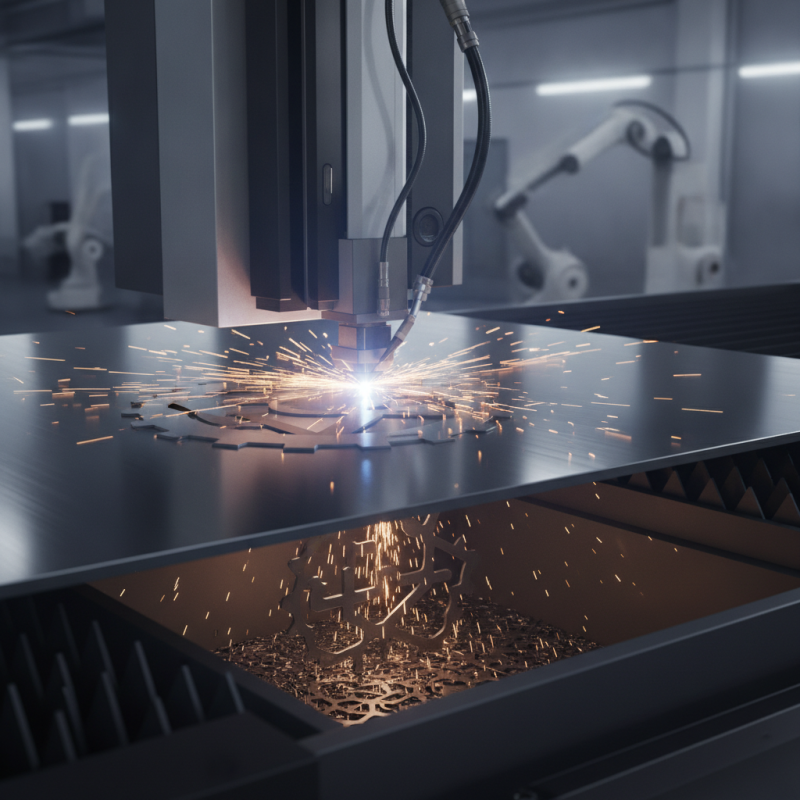
Metal laser cutting technology has transformed manufacturing with precision and efficiency. This process utilizes a focused beam of light to cut through metal with remarkable accuracy. According to a recent report by the International Laser Manufacturing Association, laser cutting systems can achieve tolerances as tight as ±0.005 inches, providing consistent quality in production. This accuracy is vital for industries that require intricate designs, such as aerospace and automotive sectors.
Understanding the fundamentals of metal laser cutting involves grasping its operational mechanics. Lasers generate intense heat, melting the metal and allowing for clean cuts. The type of laser, such as CO2 or fiber, affects the cutting speed and material compatibility. For instance, fiber lasers excel in cutting thin sheets of metals, often achieving speeds up to 100 inches per minute. However, challenges persist, like the potential for heat distortion, which may require further post-processing. It’s crucial to monitor the cutting parameters closely to prevent unwanted outcomes.
Industry experts emphasize the need for ongoing skill development in this field. Proper training ensures technicians can mitigate common issues, like maintaining optimal focus and adjusting power settings. A survey highlighted that 30% of operators felt underqualified to troubleshoot complex problems. As technology progresses, mastering these skills becomes increasingly vital for maintaining competitive advantages in metal fabrication. The continuous evolution of laser cutting technology calls for adaptability and a commitment to ongoing education.
Metal Laser Cutting Efficiency Comparison
Choosing the Right Laser Cutting Machine for Your Needs
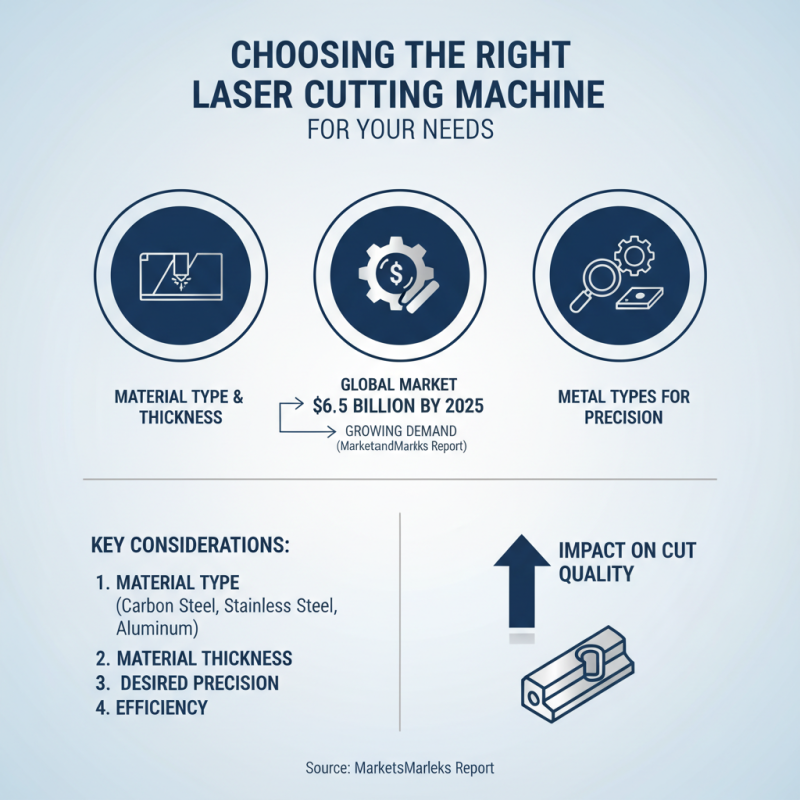
When choosing the right laser cutting machine, several factors come into play, including material type and thickness. According to a report by MarketsandMarkets, the global laser cutting machine market is projected to reach $6.5 billion by 2025, highlighting the growing demand for efficient solutions in metal cutting. Metal components often require precision; therefore, selecting a machine suited for specific metal types—such as carbon steel, stainless steel, or aluminum—can greatly influence the cutting quality.
The machine's power is another critical factor. Generally, lasers are measured in watts, with higher wattage allowing for thicker materials to be cut efficiently. For instance, a 2000W laser can cut up to 10 mm thick stainless steel. However, higher power machines tend to be more expensive and may lead to unoptimized energy usage if not matched correctly to the application. A study found that around 40% of companies reported increased costs due to misaligned machine capabilities and workload requirements. This scenario signals the need for careful evaluation before making a purchase.
Additionally, consider the level of automation. While automated systems enhance efficiency, they can be complex to implement. A recent survey indicated that 25% of manufacturers faced challenges in operating highly automated machines due to a lack of skilled personnel. Selecting a machine that balances automation with ease of use may mitigate this risk.
Optimizing Material Thickness and Type for Efficient Cutting
When optimizing for efficient metal laser cutting, understanding material thickness and type is crucial. Different metals respond uniquely to laser cutting, affecting the quality and speed of the process. For example, thinner materials can be cut faster, while thicker metals often require more powerful lasers. This dynamic can lead to varying results, even within the same material category.
Choosing the right thickness significantly influences the cutting process. If the material is too thick, the laser may struggle to penetrate, leading to subpar cuts or longer processing times. Conversely, materials that are too thin might warp or melt during cutting. A careful balance is essential.
Here are some tips for optimizing your cutting process:
1. Test different thicknesses. This helps find the sweet spot for each material.
2. Consider the type of metal. Stainless steel, for instance, can be harder to cut than aluminum.
3. Monitor laser speed. Adjusting this can improve cut quality significantly.
Remember, what works well for one project may not for another. Experimentation and reflection are key to mastering metal laser cutting.
Implementing Appropriate Machine Settings for Precision Cuts
Metal laser cutting requires precision and attention to detail. Implementing appropriate machine settings is crucial for achieving accurate cuts. Start by selecting the right power and speed settings based on the material thickness. This can greatly impact the quality of the cut. If the power is too high, it may cause excessive burn marks. Conversely, low power may result in incomplete cuts.
Keep in mind the focal point of the laser. Ensuring it is set correctly can prevent inconsistencies in cut quality. You should also consider the nozzle size, as it can affect the kerf width. A larger nozzle can lead to wider cuts, while a smaller one provides added detail. Fine-tuning these settings often requires experimentation and adjustments.
Regular maintenance of the machine is essential too. Dust and debris can impact performance. Periodically check the optics to ensure they are clean and undamaged. Remember, even small adjustments can lead to significant improvements in your cutting results. Engaging in continuous learning about new techniques and technologies can keep your skills sharp and your cuts precise.
Ultimate Tips for Efficient Metal Laser Cutting Process
| Parameter |
Recommended Value |
Impact on Precision |
| Laser Power (W) |
1000 - 3000 |
Higher power enhances cutting speed but may reduce precision. |
| Cutting Speed (mm/min) |
200 - 2000 |
Optimal speed is crucial for clean cuts without excessive burn. |
| Focus Position (mm) |
-1 to +3 |
Correct focus improves cut quality significantly. |
| Assist Gas Type |
Nitrogen, Oxygen |
Choice impacts edge finish and material oxidation. |
| Material Thickness (mm) |
1 - 10 |
Thicker materials require adjustments in power and speed. |
Maintenance Practices to Enhance Laser Cutting Performance
Maintaining optimal performance in metal laser cutting requires a commitment to regular maintenance practices. Routine checks can prevent unexpected breakdowns, which often lead to costly downtime.
Inspecting lenses and mirrors frequently ensures that the laser beam remains focused and powerful. A clean optical path directly enhances cutting quality, as dirt or debris can scatter the beam and reduce effectiveness.
Another essential practice is monitoring the cooling system. Overheating can damage the laser and compromise its efficiency. Regularly checking coolant levels and ensuring proper circulation minimizes the risk of overheating. Furthermore, keeping the cutting head aligned is crucial. Misalignment affects cutting precision and can lead to material waste.
It's also important to track the performance of consumables, such as nozzles and assist gases. Over time, these components wear out, leading to subpar results. Replacement at the right intervals can significantly enhance the cutting process. While it may seem tedious, this approach avoids larger issues later. Reflecting on these practices reveals that consistent attention to maintenance can lead to significant improvements in overall laser cutting performance.