Top Metal Laser Cutting Machines for Global Buyers?
In today's competitive manufacturing landscape, the demand for precision and efficiency is paramount. Metal laser cutting machines have become essential tools for many industries, enabling them to enhance their production processes. Renowned industry expert Dr. Emily Carter emphasizes, “A top-quality Metal Laser Cutting Machine transforms productivity and accuracy.” Her insights highlight the critical role these machines play in modern fabrication.
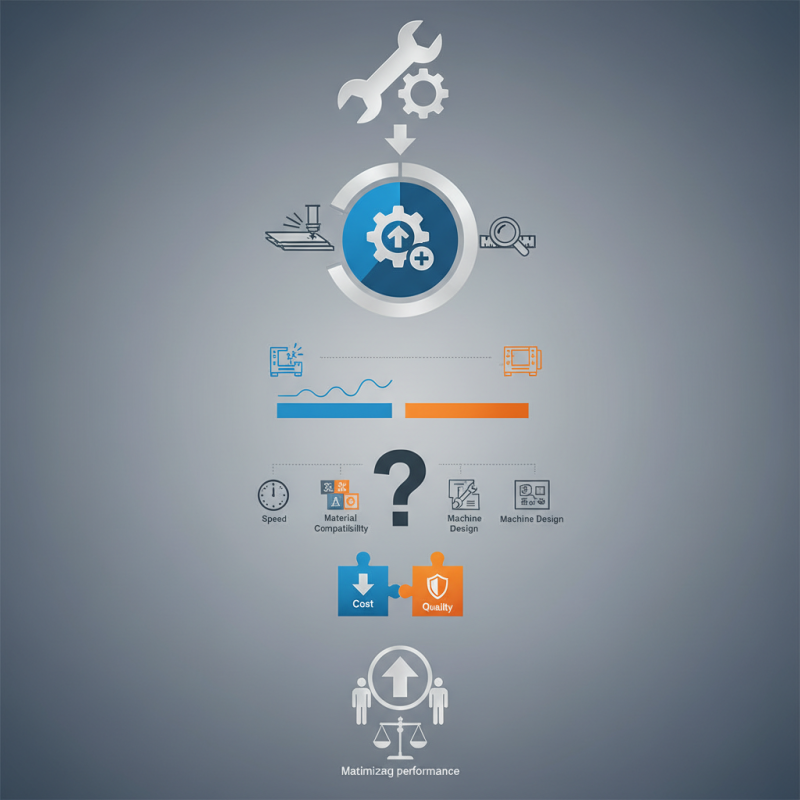
Metal laser cutting technology has proliferated globally, with various machines catering to diverse manufacturing needs. Buyers are often faced with numerous choices. Factors like cutting speed, material compatibility, and overall machine design must be evaluated. Each machine offers unique features, but the right selection can significantly impact operational success.
However, the market is not without its challenges. There is a mix of low-cost options that may compromise quality. Buyers must navigate this complex landscape carefully. Reflecting on these aspects, it is clear that understanding one's specific requirements is vital. Metal laser cutting machines are investments that require thoughtful consideration and expert guidance. Finding the right balance is essential for maximizing performance.
Top Features to Consider in Metal Laser Cutting Machines
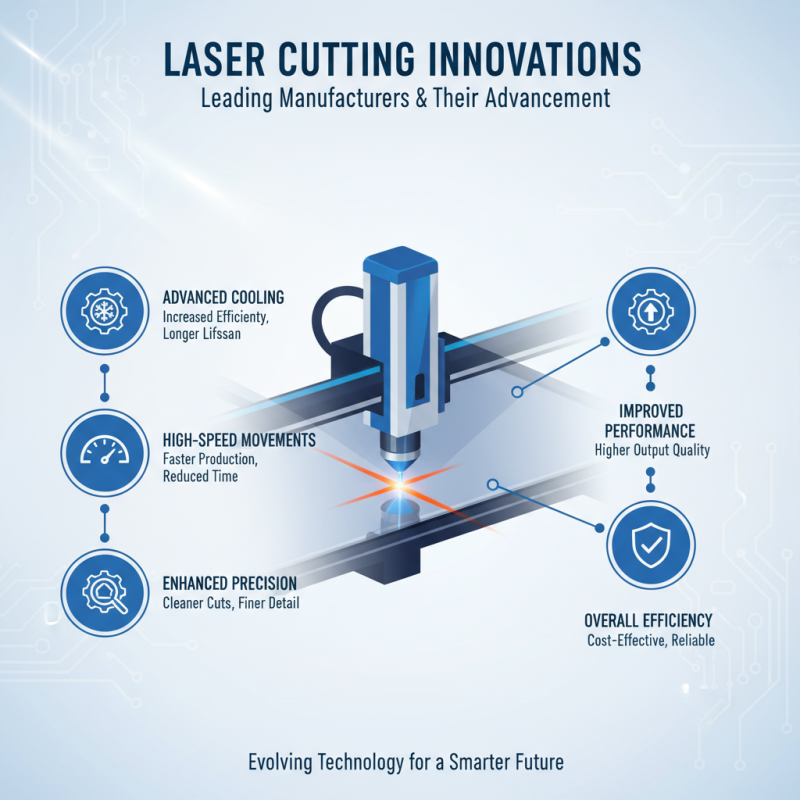
When considering metal laser cutting machines, several key features play a crucial role. Precision is paramount; machines must achieve tight tolerances within ±0.1 mm. Industry reports show that high-quality lasers can maintain this precision consistently, enhancing part quality. A well-engineered machine can reduce material wastage significantly, sometimes by up to 30%.
Speed is another essential feature. The cutting speed directly impacts production efficiency. Average cutting speeds for high-end machines can reach 20 meters per minute. However, this might vary based on material thickness and type. As production demands evolve, monitoring these metrics becomes vital.
Additionally, user-friendly interfaces are increasingly important. Operators need machines that are easy to program and adjust. A control system that simplifies setup can reduce training time by 40%. Despite rapid technological advancements, some operators still face steep learning curves. Regular updates and support from manufacturers help address these challenges. Ultimately, understanding these core features is necessary for making informed purchasing decisions.
Comparative Analysis of Popular Metal Laser Cutting Technologies
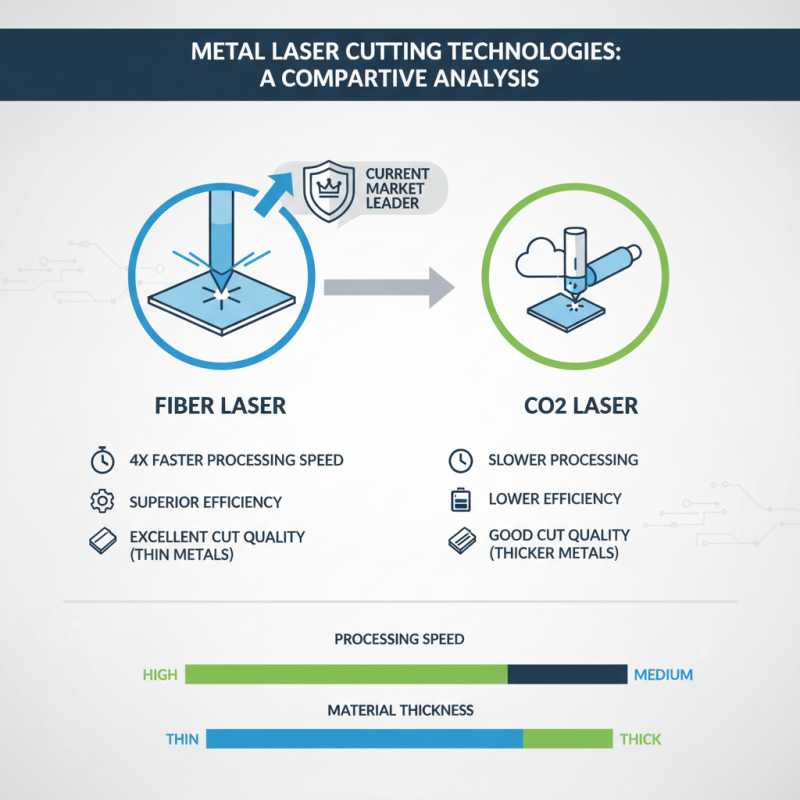
In the realm of metal laser cutting, various technologies reign supreme. Fiber laser cutting systems currently dominate the market due to their superior efficiency. According to industry reports, fiber lasers boast a processing speed up to four times faster than traditional CO2 systems. They also deliver an excellent cut quality on thin materials, making them a preferred choice in many sectors.
However, it is essential to weigh the pros and cons. While fiber lasers show remarkable performance, they tend to be less effective on thicker materials. CO2 lasers, on the other hand, can cut through thicker metals more efficiently but may lack in speed. A comprehensive understanding of each technology’s capabilities is crucial for any buyer looking to invest in laser cutting machines.
Tips: Evaluate your production needs carefully. If your focus is on precision and speed for thin sheets, fiber lasers might be the way to go. Consider the overall operating cost, including maintenance and energy usage, when choosing a machine. Remember, cutting technology is not one-size-fits-all; each project may demand a different solution.
Market Size and Growth Trends for Metal Laser Cutting Equipment
The metal laser cutting equipment market is experiencing robust growth. Recent reports indicate a rising demand driven by industries such as automotive and aerospace. This surge underscores the increasing reliance on precise cutting technologies. As manufacturers look for efficiency, laser cutting machines offer advantages that traditional methods cannot match.
Growth trends show a significant shift towards automation. Companies are investing in advanced features like real-time monitoring and smart operating systems. This transition highlights the need for skilled operators who can manage sophisticated machinery. However, many businesses face challenges in finding qualified personnel. The skills gap could hinder growth if not addressed promptly.
In addition, sustainability is becoming a priority. Metal laser cutting produces minimal waste compared to conventional techniques. This aspect appeals to environmentally conscious buyers. Yet, the initial investment can be daunting for smaller enterprises. These complexities reveal an ongoing need for market education on the benefits and efficiencies of this technology.
Top Metal Laser Cutting Machines for Global Buyers
| Machine Type |
Cutting Thickness (mm) |
Max Cutting Speed (m/min) |
Power Consumption (kW) |
Market Growth Rate (%) |
Estimated Market Size (USD) |
| Fiber Laser Cutting Machine |
5 - 25 |
60 |
20 |
12 |
1.2 Billion |
| CO2 Laser Cutting Machine |
1 - 20 |
40 |
15 |
8 |
800 Million |
| Crystal Laser Cutting Machine |
3 - 10 |
80 |
25 |
15 |
600 Million |
| Hybrid Laser Cutting Machine |
1 - 15 |
70 |
18 |
10 |
900 Million |
Cost-Benefit Analysis of Investing in Laser Cutting Technology
Investing in laser cutting technology offers significant advantages in efficiency and precision. According to industry reports, companies that adopt laser cutting systems can improve their production rates by up to 30%. This increase is largely due to the machines’ ability to cut complex shapes with minimal material waste. In a competitive market, reducing overhead costs is crucial. Manufacturing costs can decrease by as much as 20% through the use of automated laser cutting machines.
However, initial investments in laser technology can deter some buyers. The average cost of high-quality laser cutting machines ranges from $100,000 to $300,000. Despite this, many companies report a return on investment within two to three years. A survey conducted by the International Laser Cutting Equipment Association revealed that over 70% of users felt their investment was justified by enhanced operational flexibility.
Yet, it's essential to consider potential drawbacks. Maintenance and operational training can incur additional costs. These factors require thoughtful budgeting and planning. Moreover, as technology evolves, older machines may lag in efficiency. Companies must weigh the long-term benefits against the initial investment and the need for regular upgrades. Such decisions impact not only financial outcomes but long-term operational strategies in a fast-paced industry.
Cost-Benefit Analysis of Investing in Laser Cutting Technology