China Top Cnc Laser Cutting Machine Advantages and Applications Explained?
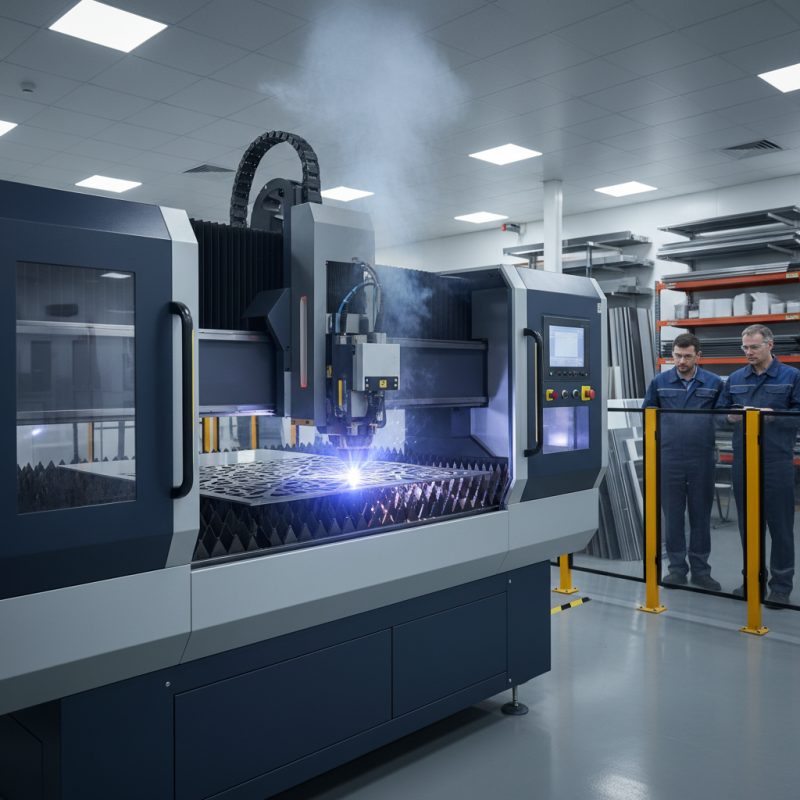
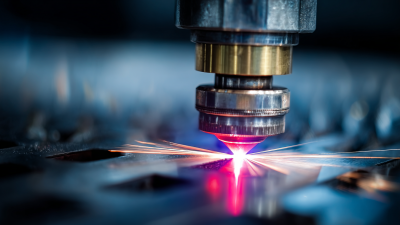
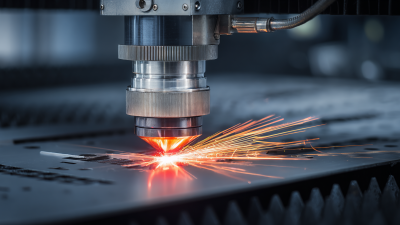
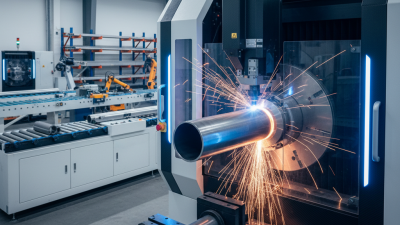
In today's manufacturing landscape, the "Cnc Laser Cutting Machine" stands out for its precision and efficiency. Industries across the globe are increasingly adopting this technology. With capabilities to cut various materials, it revolutionizes production processes.
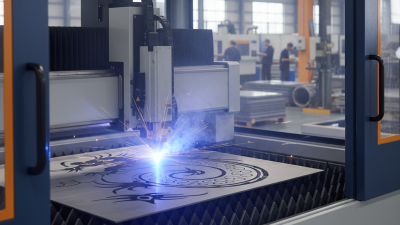
One major advantage of CNC laser cutting is its ability to produce intricate designs. It allows for high-speed processing, which can significantly reduce production time. However, there are complexities involved. Not all machines are suited for every application.
Understanding these machines requires expertise. It's crucial to choose the right equipment based on your needs. With the right approach, the benefits of CNC laser cutting can lead to remarkable outcomes. Embracing this technology is promising, yet one must remain aware of the challenges that may arise.
Advantages of CNC Laser Cutting Machines in Precision Manufacturing
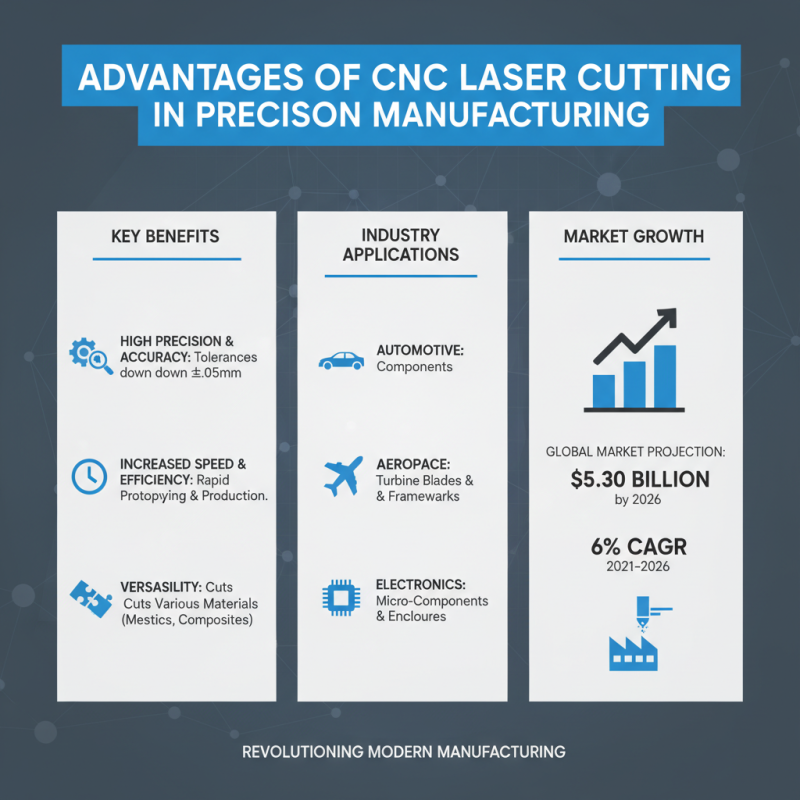
CNC laser cutting machines are revolutionizing precision manufacturing. This technology plays a crucial role in industries like automotive, aerospace, and electronics. The global CNC laser cutting machine market is projected to reach $5.30 billion by 2026, reflecting an annual growth rate of around 6% from 2021 to 2026. Such figures highlight the industry's growing reliance on laser technology.
One key advantage of CNC laser cutting is its precision. These machines can cut materials with tolerances as tight as ±0.1 mm, making them ideal for complex parts. Moreover, they can process diverse materials, including metals, plastics, and wood. However, the initial setup costs can be high, which might deter smaller operations. Understanding the economics of laser cutting is essential for manufacturers.
Laser cutting also offers speed. It can increase production rates significantly. For example, cutting thick metal plates can be done in a fraction of the time compared to traditional methods. Yet, the learning curve for operators can present challenges. Training and experience are critical to maximizing these machines’ capabilities. Investing in skilled personnel is paramount for achieving optimal results in a competitive market.
Key Technical Specifications of China's Leading CNC Laser Cutters
China's CNC laser cutting machines have become essential in various industries, showcasing impressive technical capabilities. Key specifications include laser power, cutting speed, and material thickness capacity. High-power lasers, typically ranging from 1000 to 6000 watts, enable efficient cutting of materials like metal and acrylic. The cutting speed can reach up to 30 meters per minute, depending on the material and thickness, offering rapid production cycles.
Moreover, these machines often come with advanced control systems. Features like automated focusing and adaptive cutting parameters enhance precision. Some models can process materials up to 20mm thick. However, users need to maintain them properly to avoid performance degradation.
Regular calibration is crucial; otherwise, even minor misalignments can compromise the cutting quality.
Investing in laser cutting technology is beneficial, yet it requires careful consideration of operational requirements. Machine downtime can impact productivity significantly. Thus, regular maintenance and staff training are vital. Despite the advantages, potential users must weigh these factors against the costs and learning curve associated with new technology.
Industry Applications: How CNC Laser Cutting Transforms Manufacturing Sectors
CNC laser cutting technology is reshaping various manufacturing sectors. Its precision and efficiency offer transformative benefits. From automotive to aerospace, many industries rely on CNC laser cutting. This method allows for intricate designs and high accuracy, essential for modern production needs.
In the automotive sector, CNC laser cutting helps create complex components. Parts must fit perfectly, and any miscalculation can lead to significant issues. The speed of laser cutting reduces production times, helping manufacturers meet tight deadlines. However, not all designs can be easily adapted to laser cutting technology. Engineers must consider material types and thicknesses during the design phase.
The aerospace industry also sees profound advantages from CNC laser cutting. Lightweight materials are critical here, and laser cutting is ideal for shaping such materials accurately. Yet, the method demands skilled operators who understand both the technology and materials. If mistakes occur, the costs can escalate. Evaluating the design and the potential for error is crucial for success in this domain.
Cost Efficiency and Productivity Gains from CNC Laser Cutting Technology
CNC laser cutting technology offers significant cost efficiency and productivity gains for industries. According to a report by MarketsandMarkets, the CNC laser cutting market is projected to reach $8 billion by 2025, driven by its ability to enhance precision and reduce operational costs. Companies adopting this technology can achieve up to 30% lower manufacturing expenses compared to traditional methods. This efficiency stems from reduced material wastage and faster cutting speeds.
Moreover, CNC lasers allow for intricate designs that traditional cutting methods struggle to replicate. A study from the Fabricators & Manufacturers Association highlights that businesses using CNC laser cutting can improve throughput by 40%. This increase is vital as industries face rising demand for customizations. However, the initial investment can be daunting. Organizations need to weigh the long-term benefits against upfront costs.
While CNC laser cutting presents exceptional advantages, challenges remain. Not all materials can be cut effectively, and maintenance requires skilled technicians. Additionally, training staff presents another hurdle. Organizations must reflect on these aspects when integrating this technology. Balancing cost and productivity demands careful consideration of both benefits and potential drawbacks.
China Top CNC Laser Cutting Machine Advantages and Applications Explained
| Feature |
Advantage |
Application |
Cost Efficiency (% Savings) |
| Precision Cutting |
High accuracy with minimal material wastage |
Automotive parts manufacturing |
20% |
| Speed |
Increased throughput reduces production time |
Metal fabrication |
15% |
| Versatility |
Able to cut various materials including metals and plastics |
Signage and creative design |
25% |
| Automation |
Reduced labor costs through automated processes |
Industrial manufacturing |
30% |
| Minimal Post-Processing |
Often results in finished cuts, less need for secondary operations |
Consumer electronics |
18% |
Future Trends: Innovations in CNC Laser Cutting Machines in China
The future of CNC laser cutting machines in China looks promising, with innovations promising enhanced precision and efficiency. According to a market research report by Fortune Business Insights, the CNC laser cutting machine industry is expected to grow significantly, reaching a value of approximately $7 billion by 2026. This growth can be attributed to technological advancements that enhance the cutting capabilities of these machines.
Recent innovations include the use of fiber laser technologies, allowing for faster and more accurate cuts on a variety of materials. These machines can now handle complex designs with ease. However, as the market evolves, challenges remain. For instance, the high initial cost of these advanced systems can be a barrier for small manufacturers. Additionally, while automation and AI integration improve productivity, ensuring that operators possess the necessary skills remains critical.
Among new trends, eco-friendly laser technologies are gaining traction. These technologies prioritize energy efficiency and sustainability in manufacturing. Reports indicate that as industries shift toward greener practices, demand for such machines is likely to increase. Yet, the transition is not without its hurdles, particularly concerning the adaptation of existing infrastructure. The industry must navigate these challenges to fully realize the potential of CNC laser cutting innovations in China.